




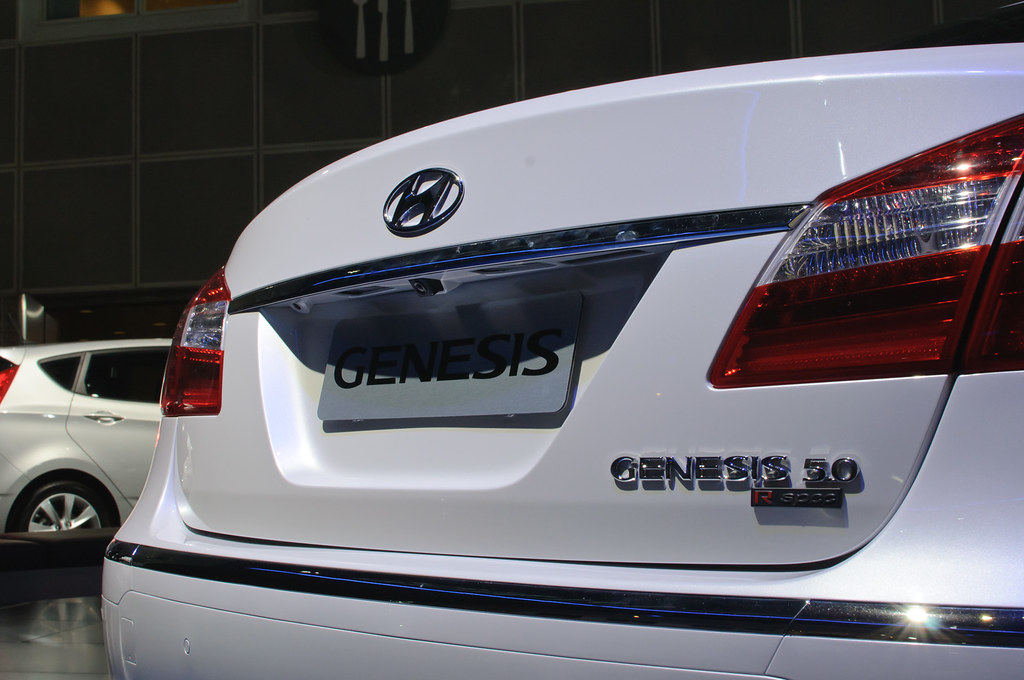
Hyundai price hike is set to take effect on December 1, 2026, impacting select models by up to 8000 Rupees. This change could influence buyer decisions significantly.
Reasons Behind the Price Hike
Hyundai Motor India has announced a price hike of up to 8000 rupees across select models, effective December 1, 2026. Several factors contribute to this decision, impacting consumers and the automotive market alike.
- Rising Input Costs: An increase in the prices of raw materials such as steel and aluminum has significantly affected production expenses. These rising input costs are a primary driver behind the Hyundai price hike.
- Inflation: Persistent inflation rates have led to increased operational costs, prompting manufacturers to adjust their pricing strategies to maintain profitability.
- Regulatory Compliance: Stricter emissions standards and safety regulations necessitate upgrades in technology and infrastructure, further inflating costs for automakers like Hyundai.
- Market Demand: A surge in demand for specific models has allowed Hyundai to implement a price increase without significantly affecting sales. This demand-driven strategy aims to maximize revenue while catering to consumer preferences.
The impact of this price hike is expected to vary across different vehicle segments, with some models facing a more substantial increase than others. As customers prepare for these changes, they are encouraged to consider their purchasing options before the new prices take effect.
Impact on Consumers
The recent announcement regarding the Hyundai price hike has left many consumers concerned about the implications for their wallets. Starting December 1, 2026, Hyundai Motor India will implement a price increase of up to 8000 Rupees on select models, which is expected to have a significant impact on potential buyers and current owners alike.
As consumers weigh their options, several key factors are coming into play:
- Affordability Issues: The price hike could push the total cost of ownership beyond the budget of many families, particularly for entry-level models that are popular among first-time buyers.
- Resale Value Concerns: Current Hyundai owners may see a decrease in the resale value of their vehicles, as the updated pricing structure kicks in for new models. This could lead to potential losses for those looking to trade in their cars.
- Shifts in Consumer Preferences: Some consumers may shift their focus to competing brands that offer more attractive pricing. This could affect Hyundai’s market share and long-term sales.
- Increased Financial Planning: Families may need to re-evaluate their finances and savings plans to accommodate the new pricing, which could affect their purchasing decisions.
Overall, the Hyundai price hike is poised to create ripples throughout the automotive market, impacting both buyers and the brand’s reputation.
Comparison with Competitors
As Hyundai implements a price hike of up to 8000 Rupees across select models, the impact on consumer choices raises questions about its competitiveness in the market. Comparing Hyundai’s offerings with those of its rivals provides insight into potential consumer reactions.
- Toyota: Known for its reliability, Toyota’s models, such as the Corolla and Camry, typically remain within a similar price range. The recent price hike from Hyundai may push consumers to consider these alternatives, especially if they prioritize long-term value.
- Maruti Suzuki: With a reputation for affordability, Maruti Suzuki offers models like the Swift and Baleno, which could attract price-sensitive customers who feel the pinch from the Hyundai price hike. The cost difference might sway buyers towards these options.
- Kia: As a sister brand to Hyundai, Kia’s models, including the Seltos and Sonet, compete closely. However, if Hyundai’s prices increase significantly, Kia could benefit from customers seeking similar features at a lower cost.
In conclusion, while Hyundai’s price hike aims at maintaining profitability, it risks alienating a segment of its customer base. The comparison with competitors highlights the delicate balance between pricing strategies and market share, potentially reshaping consumer preferences in the coming months.
Future Predictions for Hyundai
The recent announcement from Hyundai regarding a price hike of up to 8000 Rupees across select models starting December 1, 2026, has led many analysts to predict significant changes in the automotive market. As consumers brace for the impending price adjustments, the effects of this Hyundai price hike could resonate beyond immediate sales figures.
Industry experts suggest that the price increase may drive potential buyers to reconsider their options. With several competitors maintaining or reducing their prices, Hyundai could face challenges in retaining its customer base. The following predictions have been made:
- Shift in Consumer Preferences: Buyers may lean towards more affordable alternatives, impacting Hyundai’s market share.
- Increased Demand for Used Cars: As new models become pricier, consumers might turn to the second-hand market, increasing demand for pre-owned Hyundai vehicles.
- Enhanced Focus on Value: Hyundai may need to bolster the perceived value of its vehicles through improved features or incentives to justify the price hike.
- Long-Term Brand Loyalty: Depending on how the brand navigates this transition, Hyundai’s reputation could either strengthen or suffer in the eyes of consumers.
Ultimately, the implications of this price hike will unfold over time, as both Hyundai and its competitors adjust to the changing market landscape.
Expert Opinions on Price Changes
Industry experts have weighed in on the recent Hyundai price hike, which is set to take effect on December 1, 2026. Analysts believe this increase, which ranges up to 8000 Rupees across select models, could significantly affect consumer purchasing decisions and brand loyalty.
According to Rajesh Kumar, an automotive analyst, “The price hike reflects rising production costs and inflationary pressures, but it also raises questions about Hyundai’s strategy in a competitive market.” He notes that while price adjustments are not uncommon, the timing of this hike coincides with a period of economic uncertainty.
Additionally, Neha Sharma, a market researcher, pointed out that “this price increase may disproportionately impact entry-level vehicles, which are often the first choice for budget-conscious consumers.” She emphasized that Hyundai must tread carefully, as alienating this customer segment could lead to a decline in market share.
Experts also suggest that Hyundai should enhance value in other areas, such as improved features and after-sales services, to justify the price hike. “Customers are looking for more than just a vehicle; they want assurance that their investment is worthwhile,” adds Sharma.
As the date approaches, the automotive community will be closely monitoring consumer reactions and whether Hyundai can maintain its competitive edge amidst these changes.
Hyundai’s Sales Strategy
Hyundai’s recent price hike has sparked discussions regarding the company’s sales strategy, particularly as it affects select models. The decision to increase prices by up to 8000 Rupees, effective from December 1, 2026, has raised eyebrows among industry analysts and consumers alike.
The automaker aims to balance profitability with consumer demand, which has become increasingly challenging in a competitive market. Hyundai has traditionally prided itself on offering value for money, but this price adjustment may alter consumer perception. As part of its sales strategy, Hyundai is focusing on enhancing the features and technology of its vehicles to justify the new price tags.
Moreover, Hyundai plans to target specific demographics with tailored marketing strategies. They are likely to emphasize the quality, durability, and innovative aspects of their models, which may help mitigate the negative reactions from loyal customers.
Additionally, Hyundai is expected to monitor the sales performance of the affected models closely. The company will need to assess whether the price hike leads to a decline in sales or if customers will continue to choose Hyundai for its reputation and reliability.
In summary, while the Hyundai price hike poses challenges, the company is strategically positioning itself to maintain its market presence and appeal to consumers, ensuring that it remains a competitive player in the automotive industry.
The recent Hyundai price hike has led to significant concerns among consumers, particularly those interested in specific models. As a result, the Hyundai price hike may deter potential buyers from making a purchase in the near future.
By InSapphoWeTrust via Openverse