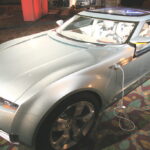





Chandigarh EV policy is undergoing significant changes as the administration has decided to end the subsidy program. This move has raised concerns among electric vehicle enthusiasts and potential buyers.
Overview of Chandigarh EV Policy
The Chandigarh EV policy, aimed at promoting electric vehicles in the region, has recently faced significant changes. Originally designed to provide financial incentives for EV buyers, the policy has now come to an end, raising concerns among drivers and environmental advocates alike.
Under the previous framework, residents could benefit from various subsidies, including:
- Direct cash incentives on the purchase of electric two-wheelers and four-wheelers.
- Subsidies for setting up charging infrastructure.
- Tax exemptions aimed at making EVs more affordable.
With the termination of these benefits, many fear that the shift towards sustainable transportation will stall, ultimately impacting air quality and climate goals. The discontinuation of the Chandigarh EV policy has sparked outrage among citizens who believe that this decision undermines the efforts to create a greener future.
Impact of Ending Subsidy
The recent decision by the Chandigarh administration to end the subsidy under the Chandigarh EV policy has raised significant concerns among local drivers and environmental advocates. Many view this move as detrimental to the growth of electric vehicle adoption in the region. The impact of ending the subsidy can be extensive, affecting various aspects of EV ownership.
- Increased Costs: Without the financial assistance, prospective buyers may find electric vehicles less affordable, leading to a decline in sales.
- Hindered Adoption: The removal of incentives could slow down the transition to cleaner transportation, contradicting environmental goals.
- Market Confidence: This decision may erode trust in government initiatives aimed at promoting sustainable practices.
Overall, ending the subsidy could jeopardize Chandigarh’s efforts to position itself as a leader in eco-friendly transportation.
Reactions from EV Owners
Reactions from electric vehicle (EV) owners in Chandigarh have been overwhelmingly negative following the announcement of the Chandigarh EV policy’s termination of subsidies. Many drivers express frustration and concern over the financial burden this decision places on them.
- Ravi Kumar, a local EV owner, stated, “This is a devastating blow. The Chandigarh EV policy was designed to encourage us to make a sustainable choice, and now it feels like we’ve been abandoned.”
- Meena Sharma, an environmental activist, argued, “Ending the subsidies undermines years of efforts towards promoting green transportation in the city.”
- Vikram Sethi warned, “This decision could discourage potential buyers from switching to electric vehicles, ultimately harming the environment.”
Overall, the sentiment among EV owners reflects a deep disappointment with the Chandigarh administration’s approach to sustainable transport solutions.
Future of Electric Vehicles in Chandigarh
The future of electric vehicles in Chandigarh appears uncertain following the termination of the Chandigarh EV policy. With subsidies no longer available, potential buyers may hesitate to invest in electric vehicles, significantly hindering the growth of this eco-friendly transportation option.
Industry experts express concern that ending the subsidy will lead to a decline in EV adoption rates, reversing the progress made in recent years. The following factors could influence the future landscape of electric vehicles in the region:
- Increased Costs: Without financial incentives, EVs may become less affordable for average consumers.
- Market Competition: With rising prices, traditional gasoline vehicles might regain favor, impacting sales of electric models.
- Environmental Impact: The reduction in EV uptake could slow down efforts to combat pollution and climate change.
As the administration re-evaluates its approach, the future of electric vehicles in Chandigarh hangs in the balance.
Government’s Justification
The Chandigarh administration has defended its decision to end the subsidy under the Chandigarh EV policy, citing budget constraints and the need to redirect funds towards other pressing infrastructure projects. Officials argue that the initial financial support provided for electric vehicles was intended to kickstart the market and that it has now achieved its purpose. They believe that the EV market can sustain itself without government intervention.
Moreover, the government claims that the focus should shift towards enhancing charging infrastructure rather than providing direct financial incentives. “We are committed to supporting green initiatives,” a spokesperson stated, emphasizing plans to invest in more charging stations across the city.
Critics argue, however, that this move undermines the initial goals of the Chandigarh EV policy, risking a decline in electric vehicle adoption and ultimately affecting the city’s air quality.
Comparative Analysis with Other States
The recent decision to end the Chandigarh EV policy has raised eyebrows, especially when compared to other states that continue to support electric vehicle initiatives. While states like Delhi and Maharashtra have extended substantial subsidies and incentives to promote EV adoption, Chandigarh’s abrupt withdrawal has left many drivers disheartened.
States with successful EV policies offer a range of benefits, including:
- Financial incentives: Substantial rebates on purchase prices.
- Charging infrastructure: Extensive networks of charging stations.
- Tax exemptions: Waivers on road taxes and registration fees.
In contrast, the Chandigarh EV policy’s termination not only undermines previous efforts but also discourages potential EV buyers. This shift could hinder the region’s progress towards sustainable transportation, unlike its progressive counterparts.
Potential Alternatives for EV Buyers
As the Chandigarh EV policy comes to a close, potential alternatives for electric vehicle (EV) buyers are becoming paramount. With the end of subsidies, many are left seeking cost-effective solutions that can mitigate the financial burden of switching to electric vehicles.
Several options can enhance the electric vehicle experience in Chandigarh:
- Leasing Options: Leasing an EV can reduce upfront costs and provide flexibility for drivers who may be uncertain about long-term ownership.
- Government Incentives: While the Chandigarh EV policy has ended, buyers might still explore incentives from neighboring states or federal programs aimed at promoting EV adoption.
- Second-Hand Market: The growing second-hand market for electric vehicles offers more affordable options for budget-conscious consumers.
- Charging Infrastructure: Investing in home charging setups can alleviate range anxiety and reduce costs over time.
Conclusion on EV Subsidy Changes
In conclusion, the termination of the Chandigarh EV policy subsidy marks a significant setback for electric vehicle (EV) adoption in the region. As local drivers grapple with increased costs, the decision raises concerns about the long-term viability of EVs in Chandigarh. The subsidy was a crucial incentive that encouraged many residents to transition from traditional vehicles to cleaner alternatives, thereby reducing carbon emissions and enhancing air quality.
Without financial support, potential EV buyers may reconsider their options, leading to a stagnation in the market. As the government justifies its decision, many drivers feel left behind, questioning the commitment to sustainable transportation.
Ultimately, the discontinuation of the Chandigarh EV policy subsidy, viewed by many as a misguided move, could undermine years of progress in promoting electric mobility. The future of EVs in Chandigarh now depends on immediate alternatives to ensure that residents remain motivated to make environmentally friendly choices.