




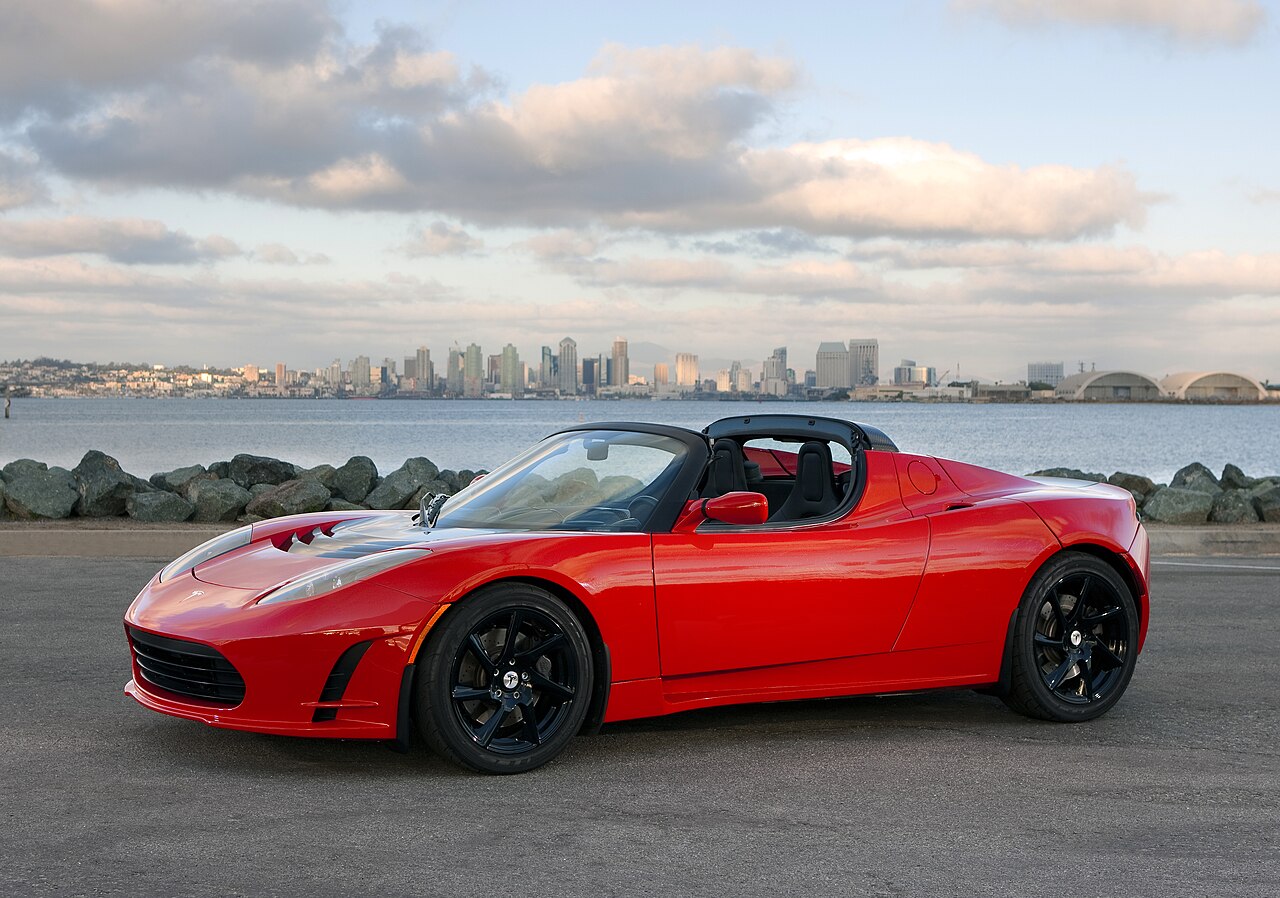
SpaceX no-fly zone has been established ahead of the Tesla Roadster’s launch, affecting air traffic in the vicinity. This measure ensures safety during the highly anticipated event.
What is the SpaceX no-fly zone?
The concept of a SpaceX no-fly zone refers to designated airspace where aircraft are prohibited from flying during specific activities, particularly rocket launches. This measure is crucial for ensuring safety and security in the vicinity of launch sites.
In light of the upcoming launch of the Tesla Roadster, the area surrounding the SpaceX facility has been marked as a no-fly zone. This restriction aims to prevent potential accidents that could arise from aircraft inadvertently entering the launch area during a critical phase of the operation.
Key aspects of the SpaceX no-fly zone include:
- Safety Precautions: Protecting both the public and the spacecraft from potential hazards.
- Coordination with Authorities: Working closely with aviation authorities to establish temporary flight restrictions.
- Public Awareness: Informing local residents and pilots about the no-fly zone through various channels.
The implementation of these zones reflects the increasing complexity and frequency of modern space missions.
Why is the no-fly zone necessary?
The establishment of a SpaceX no-fly zone is crucial for several reasons, particularly during significant events like the Tesla Roadster launch. These measures are primarily designed to ensure the safety of both the spacecraft and nearby aircraft, which could pose a risk during liftoff and landing operations.
One major reason for the no-fly zone is to prevent any potential collisions. With the launch of a high-profile vehicle like the Tesla Roadster, the airspace needs to be clear of civilian and commercial flights. This precaution helps to mitigate risks not only for the rocket but also for those in the vicinity.
Additionally, the no-fly zone allows SpaceX to conduct necessary tests and procedures without external interference. It creates a controlled environment where engineers can focus on the mission’s success without worrying about unexpected air traffic.
Moreover, these zones are often enforced by governmental agencies, which helps to streamline communication and coordination between SpaceX and aviation authorities.
Impact on local air traffic
The recent launch of the Tesla Roadster by SpaceX has significantly impacted local air traffic, prompting the establishment of a SpaceX no-fly zone in the area surrounding the launch site. Authorities have implemented this restriction to ensure the safety of both the public and the spacecraft during the critical phases of the launch.
Air traffic controllers have reported a noticeable decrease in flights within the designated zone, as pilots are being rerouted to avoid any potential conflicts. This has led to:
- A temporary suspension of commercial flights in the vicinity.
- Increased communication between the Federal Aviation Administration and regional airlines.
- Adjustments to flight paths for private and charter services.
The no-fly zone is expected to remain in effect until SpaceX completes the launch sequence and confirms that the airspace is safe for re-entry. As a result, travelers and pilots alike are advised to monitor updates closely, as the restrictions could change based on the launch’s progress and outcomes.
Timeline for the Tesla Roadster launch
The timeline for the Tesla Roadster launch by SpaceX has been meticulously planned to ensure safety and efficiency. The event is set to unfold over several critical phases:
- Pre-launch Preparations: These activities began weeks in advance, involving extensive checks on the rocket and the vehicle. Engineers are ensuring that all systems are functioning correctly to avoid any mishaps during the launch.
- Launch Countdown: The official countdown will commence 24 hours prior to the launch. During this time, the SpaceX no-fly zone will be in full effect, restricting all air traffic in the vicinity.
- Launch Day: On the day of the launch, a series of final checks will occur, followed by the ignition of the rocket. This is the most critical moment, as any anomalies could lead to delays or cancellations.
- Post-launch Assessment: After the successful launch, teams will analyze data collected during the lift-off to evaluate performance and address any issues that may arise.
Safety measures in place
As the countdown to the Tesla Roadster launch approaches, strict safety measures have been implemented to ensure the protection of both the spacecraft and surrounding air traffic. The SpaceX no-fly zone has been established, restricting all unauthorized aircraft from entering a designated area around the launch site.
Key safety protocols include:
- Pre-launch briefings: Pilots operating in the vicinity are required to participate in comprehensive briefings detailing the no-fly zone and its implications.
- Communication systems: Enhanced communication systems are in place to alert nearby aircraft of the no-fly zone and any potential hazards associated with the launch.
- Emergency response: Local emergency response teams are on standby, equipped to handle any unexpected incidents that may arise during the launch.
These measures are critical not only for the safety of the launch but also for the protection of civilian air traffic, ensuring that all flights can operate smoothly while the no-fly zone is active.
Public response to the restrictions
The announcement of the SpaceX no-fly zone has sparked considerable discussion among local residents and aviation enthusiasts. Many individuals have expressed their concerns regarding the implications of such restrictions on air traffic in the area.
Some local pilots have taken to social media to voice their frustrations, highlighting that the no-fly zone limits their ability to conduct flights in a region they often frequent. “It feels excessive,” said one pilot. “We understand the need for safety, but a blanket restriction seems too harsh.”
On the other hand, numerous residents have shown support for the no-fly zone, emphasizing the importance of prioritizing safety during the Tesla Roadster launch. “We want to make sure everything goes smoothly,” commented a local business owner. “SpaceX is doing something extraordinary, and we should all be willing to make sacrifices.”
As the launch date approaches, it remains to be seen how these restrictions will continue to shape the dialogue among the community and the broader aviation industry.
Future launches and airspace policies
As SpaceX continues to push the boundaries of innovation, future launches will likely see the establishment of more extensive no-fly zones. The recent Tesla Roadster launch highlighted the importance of maintaining strict airspace regulations to ensure safety during rocket operations. With increased frequency of launches, the need for clear airspace policies is becoming paramount.
Authorities are expected to collaborate with aviation organizations to refine existing regulations. This could involve:
- Enhanced communication: Ensuring pilots and air traffic controllers are well-informed about upcoming launches.
- Dynamic no-fly zones: Implementing flexible airspace restrictions that adapt to specific launch trajectories.
- Public awareness campaigns: Educating local communities about the implications of the SpaceX no-fly zone and its significance for safety.
The future of air travel in the vicinity of launch sites will hinge on these evolving policies, balancing innovation with the need for secure airspace management.
Conclusion on SpaceX’s launch preparations
In conclusion, the establishment of a SpaceX no-fly zone is a critical element of the company’s launch preparations, particularly concerning the upcoming Tesla Roadster launch. This restriction aims to ensure the safety of both the spacecraft and the surrounding airspace, minimizing risks associated with potential accidents during the launch phase.
The implementation of these no-fly zones is consistent with standard aerospace safety protocols, allowing for a clear operational area free from interference. As local air traffic is rerouted and adjusted, it is crucial for pilots and air traffic controllers to remain vigilant and informed about the ongoing restrictions.
As public interest in space exploration continues to grow, the balance between safety and accessibility becomes increasingly important. SpaceX’s proactive measures in setting up these no-fly zones not only protect the launch but also underscore the necessity of coordinated efforts between aerospace companies and aviation authorities.
Ultimately, the success of the Tesla Roadster launch will likely influence future airspace policies and the management of no-fly zones, shaping the way we approach space missions in the years to come.
The recent launch of the Tesla Roadster has raised significant concerns regarding the established SpaceX no-fly zone. As air traffic increases, the importance of adhering to the SpaceX no-fly zone becomes even more critical for ensuring safety in the skies.
via Wikimedia Commons