


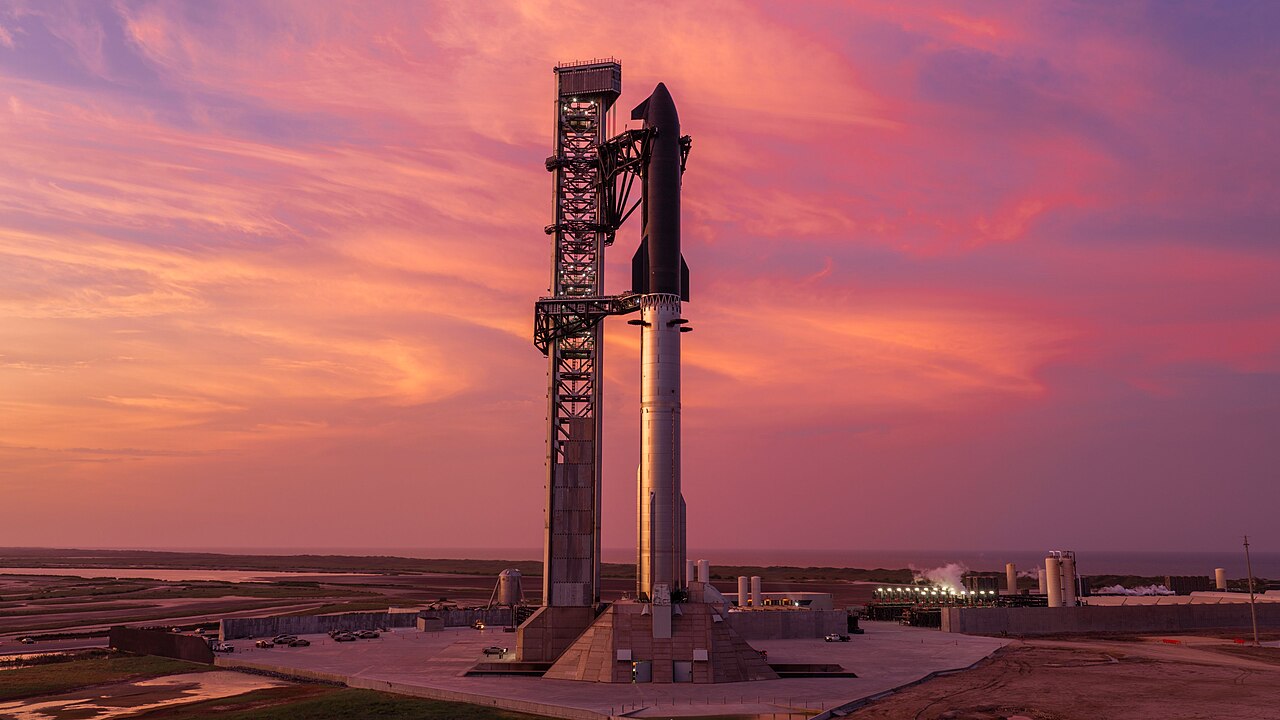
The SpaceX astronaut launch has once again proven to be a remarkable achievement. With the recent “Lucky 13” mission, SpaceX has leaned into traditions that resonate with both the aerospace and automotive industries.
Overview of the Lucky 13 Mission
The recent SpaceX astronaut launch, dubbed the “Lucky 13” mission, marks a significant milestone in the company’s ongoing efforts to revolutionize space travel. This mission has garnered attention not only for its technical achievements but also for its cultural symbolism.
The “Lucky 13” mission successfully transported a crew of astronauts to the International Space Station (ISS), showcasing SpaceX’s capabilities in human spaceflight. The launch took place on a precisely calculated schedule, reflecting the company’s commitment to safety and efficiency. SpaceX has established itself as a leader in the aerospace industry by consistently delivering reliable services, and this launch further enhances that reputation.
In a unique nod to tradition, the number 13 has often been viewed with superstition, but SpaceX embraced it with confidence. The crew members, each bringing their expertise and experience, were excited to embark on this journey, which involved cutting-edge technology and innovative spacecraft design.
Key highlights of the Lucky 13 mission include:
- Successful launch and docking with the ISS
- Use of the latest Falcon 9 rocket technology
- Collaboration with NASA and international partners
As the mission concludes, many are left wondering if this SpaceX astronaut launch is indeed the best proven success yet.
SpaceX’s Approach to Superstitions
SpaceX has consistently demonstrated a unique approach to the world of space exploration, particularly when it comes to embracing superstitions. This philosophy is notably evident in their recent astronaut launch, aptly named the “Lucky 13” mission. By leaning into the tradition of luck that surrounds the number 13, SpaceX has not only made a statement but also fostered a sense of community and excitement.
Superstitions have long played a role in the aerospace industry, and SpaceX has taken this to heart. The company has incorporated various elements that resonate with the idea of luck, ensuring that both the team and the audience feel connected to the mission’s narrative. Key aspects of this approach include:
- Choosing the Launch Date: The decision to launch on a date associated with good fortune adds to the mission’s positive energy.
- Rituals Before Launch: Team members partake in traditions that aim to invoke good luck, creating a sense of camaraderie.
- Public Engagement: By sharing these superstitions with the public, SpaceX builds anticipation and excitement around each astronaut launch.
Ultimately, SpaceX’s astronaut launch strategy blends innovation with tradition, turning superstition into a source of inspiration and confidence.
Impact of Tesla Traditions on SpaceX
The influence of Tesla traditions on SpaceX is evident, particularly in the context of the recent SpaceX astronaut launch. Elon Musk, the visionary behind both companies, has instilled a culture that embraces the unconventional and the superstitious. This approach has often led to unique practices that may seem quirky, but they serve to foster team cohesion and positive morale.
During the preparations for the astronaut launch, known as “Lucky 13,” several rituals were observed. Team members engaged in pre-launch traditions that included wearing certain colors and following specific routines believed to bring good luck. These elements not only enhance the team’s focus but also create a sense of community within the workforce.
The impact of these traditions is reflected in the success of the mission. The crew’s confidence was bolstered by the shared belief in these superstitions, which have roots in Tesla’s own practices. As SpaceX continues to innovate and expand its reach in space exploration, the integration of such traditions may prove to be a significant factor in achieving consistent success.
Ultimately, the melding of Tesla’s traditions with SpaceX’s ethos showcases a unique blend of science and belief, reinforcing the notion that sometimes, the heart of engineering can be as much about human connection as it is about technology.
Key Milestones in SpaceX History
SpaceX has marked several key milestones in its journey to becoming a leader in commercial space travel, particularly with its recent astronaut launch. Each of these milestones has contributed to the company’s reputation for innovation and reliability.
- First Successful Falcon 1 Launch (2008) – This marked the beginning of SpaceX’s journey, establishing its capability to reach orbit.
- Development of the Falcon 9 (2010) – The launch of the Falcon 9 rocket revolutionized the space industry, allowing for reusable technology.
- Commercial Crew Program Initiation (2011) – Partnering with NASA, SpaceX aimed to transport astronauts to the International Space Station (ISS).
- First Crewed Flight (2020) – The successful launch of Crew Dragon marked a significant accomplishment, as it was the first crewed spacecraft launched from American soil since 2011.
- Lucky 13 Mission (2023) – This mission showcased SpaceX’s commitment to both performance and tradition, further solidifying its status in the aerospace community.
With each astronaut launch, SpaceX continues to push boundaries and redefine what is possible in space exploration, making its recent achievements even more impressive.
Future Missions Planned by SpaceX
SpaceX has ambitious plans for future missions following the success of their recent astronaut launch, dubbed the “Lucky 13.” The company aims to continue pushing the boundaries of space exploration, with several key missions lined up in the coming years.
- NASA Collaborations: SpaceX is set to launch a series of missions under the Artemis program, which aims to return humans to the Moon by 2024. These missions will utilize the Crew Dragon spacecraft, ensuring that astronauts can safely reach lunar orbit.
- Commercial Space Travel: In addition to governmental contracts, SpaceX is expanding its focus on commercial space travel. The company plans to offer private astronaut flights to the International Space Station (ISS) and other destinations, with the first missions expected to launch in 2024.
- Starship Developments: SpaceX is also working on its Starship program, which aims to facilitate long-duration missions to Mars. Tests are scheduled to continue throughout 2024, with an eye on eventual manned missions to the Red Planet.
- Global Outreach: SpaceX is exploring partnerships with international space agencies to broaden the scope of its astronaut programs, making space more accessible to countries around the world.
These planned missions highlight SpaceX’s commitment to maintaining its momentum following the successful astronaut launch, solidifying its role as a leader in space exploration.
Public Reaction to the Launch
The public reaction to SpaceX’s astronaut launch has been overwhelmingly positive, reflecting a growing fascination with the company’s ambitious goals. Many viewers expressed excitement and pride as they watched the “Lucky 13” mission unfold. Social media platforms buzzed with comments celebrating the successful launch, with many users sharing videos and images of the event.
Emotions ran high as families and friends of the astronauts gathered at viewing parties, highlighting the personal connections and national pride associated with such missions. People from various backgrounds came together to witness this historic moment, showcasing the unifying power of space exploration.
Moreover, the launch sparked discussions about the future of space travel. Enthusiasts voiced their hopes for upcoming missions and the potential for commercial space tourism, further igniting interest in SpaceX’s endeavors. A few key points emerged from the discussions:
- Excitement for future missions: Many are eager to see what SpaceX will achieve next, especially with their plans for Mars.
- Increased public engagement: The launch inspired new interest in STEM fields among young people.
- Community support: Local businesses reported a surge in customers during the launch, with themed merchandise flying off the shelves.
Overall, the public’s enthusiasm for the SpaceX astronaut launch signifies a bright future for space exploration.
Technical Aspects of the Launch
The technical aspects of SpaceX’s astronaut launch are a testament to the company’s engineering prowess and innovation. The “Lucky 13” mission has proven to be a remarkable achievement, showcasing the advanced capabilities of the Falcon 9 rocket and the Crew Dragon spacecraft.
Key features of the launch include:
- Reusable Rocket Technology: SpaceX’s commitment to sustainability is evident in its use of reusable rocket stages, significantly reducing costs and environmental impact.
- Advanced Safety Measures: The Crew Dragon is equipped with an autonomous flight system and multiple redundancies, ensuring the safety of astronauts during launch and re-entry.
- High Payload Capacity: The Falcon 9 can carry a variety of payloads, making it versatile for different missions beyond just astronaut launches.
- Seamless Integration: The collaboration between SpaceX and NASA has resulted in a streamlined process for astronaut training and mission execution.
This successful launch not only highlights SpaceX’s capabilities but also sets a new standard for future astronaut missions. With the “Lucky 13” mission, SpaceX has solidified its status as a leader in space exploration, further enhancing the credibility and excitement surrounding the future of space travel.
Comparing SpaceX to Other Launch Providers
As SpaceX continues to dominate the space industry, a comparison with other launch providers reveals its unique advantages. Notably, SpaceX’s astronaut launch capabilities stand out among competitors such as Boeing and Arianespace. While these companies have made significant contributions, SpaceX’s innovative approach has set a new standard.
Key factors contribute to SpaceX’s success:
- Cost Efficiency: SpaceX’s reusable rocket technology drastically reduces the cost of sending astronauts and cargo to space, making it an attractive option for both NASA and private enterprises.
- Rapid Launch Cadence: The company has demonstrated an ability to conduct frequent launches, which not only boosts operational efficiency but also allows for quicker adaptation to evolving mission requirements.
- Advanced Technology: SpaceX employs cutting-edge technology in its spacecraft, enhancing safety and performance during astronaut launches.
- Strategic Partnerships: Collaborations with government agencies and international partners have broadened SpaceX’s reach and influence in the aerospace sector.
While other launch providers have their strengths, SpaceX’s astronaut launch capabilities highlight its pioneering spirit and reliability, positioning the company as a leader in modern space exploration.
The recent SpaceX astronaut launch has garnered significant attention for its impressive achievements in space travel. Many experts believe this SpaceX astronaut launch sets a new standard for future missions.
via Wikimedia Commons