








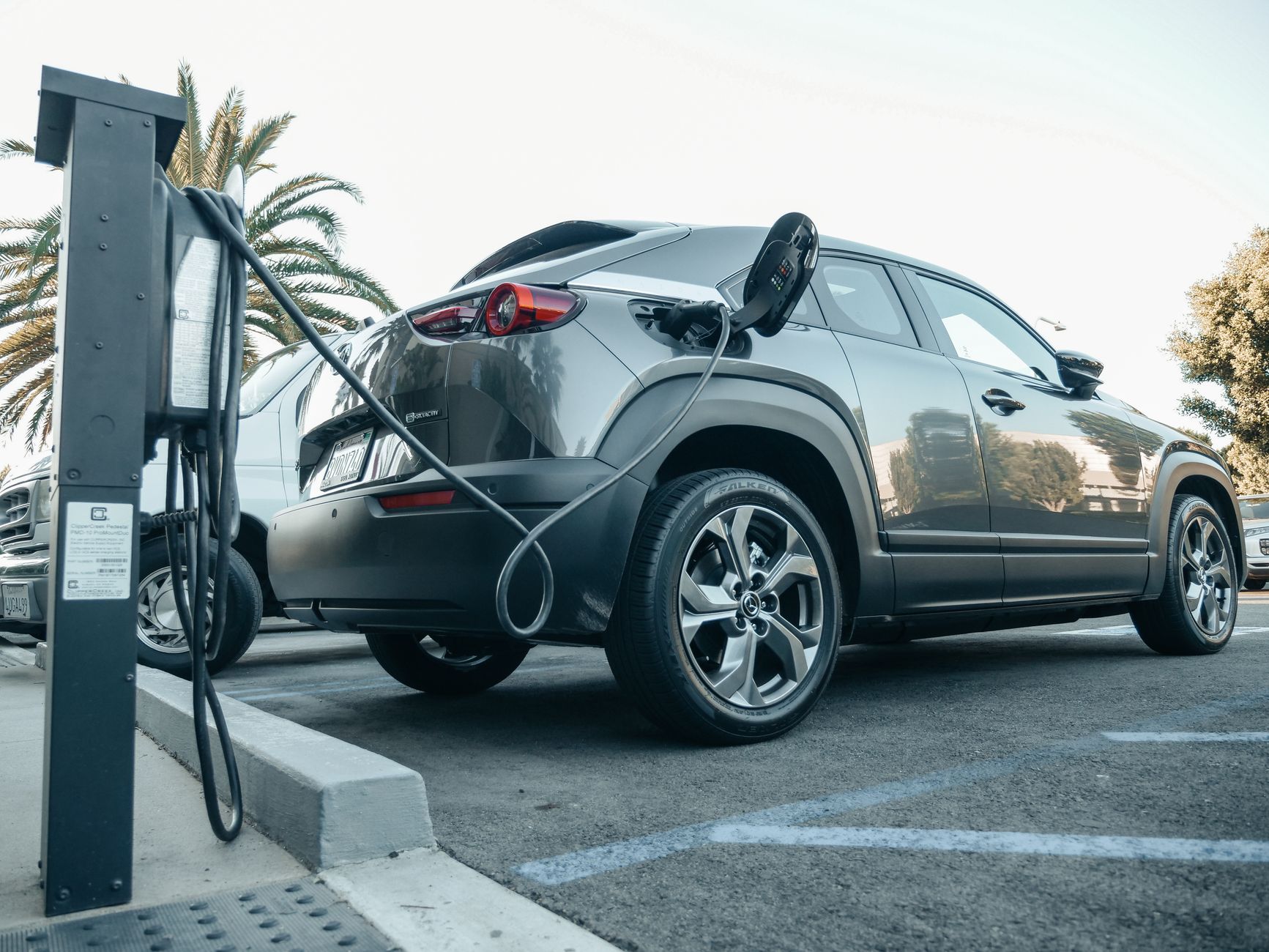
EV charging technology is evolving rapidly in India, highlighted by Nikol EV’s recent achievement of a second design patent.
Introduction to Nikol EV
Nikol EV, a prominent player in the electric vehicle sector, has recently garnered attention for its innovative approach to EV charging technology. With the automotive industry shifting towards sustainable solutions, Nikol EV stands out by focusing on efficient and user-friendly charging systems. The company’s commitment to excellence is highlighted by its receipt of a second design patent, underscoring its dedication to advancing the landscape of electric vehicle infrastructure in India.
This recent patent is a testament to Nikol EV’s relentless pursuit of innovation and quality. As more consumers transition to electric vehicles, the demand for effective charging solutions has never been higher. Nikol EV aims to address these needs with cutting-edge designs that enhance the charging experience.
Key features of Nikol EV’s technology include:
- Fast Charging: Reducing downtime for electric vehicle owners.
- Smart Connectivity: Enabling users to monitor charging status via mobile apps.
- Eco-Friendly Materials: Supporting sustainability in manufacturing processes.
As India embraces electric mobility, Nikol EV is poised to lead the charge in EV charging technology, contributing significantly to the nation’s green initiatives.
Overview of EV Charging Technology
The rapid evolution of EV charging technology has transformed the electric vehicle landscape in India, making it more accessible and efficient for consumers. As the demand for electric vehicles rises, the need for reliable and innovative charging solutions becomes increasingly critical.
In recent years, several advancements have emerged, addressing common challenges associated with EV charging. These innovations include:
- Fast Charging Stations: Development of high-speed charging stations that significantly reduce charging times, allowing drivers to recharge their vehicles in under an hour.
- Smart Charging Solutions: Integration of IoT technology that enables real-time monitoring and management of charging stations, optimizing energy consumption and grid stability.
- Wireless Charging: Implementation of inductive charging systems that eliminate the need for physical cables, enhancing user convenience.
- Battery Swapping: Introduction of battery swapping stations that allow users to quickly exchange depleted batteries for fully charged ones, minimizing downtime.
These advancements in EV charging technology are crucial for supporting the growing electric vehicle market in India, fostering a sustainable future and reducing reliance on fossil fuels.
Importance of Design Patents
The landscape of EV charging technology is rapidly evolving, and design patents play a crucial role in this innovation. They not only protect the unique aspects of a product but also encourage creativity and competition in the market. By securing design patents, companies like Nikol EV are ensuring that their advancements in EV charging technology remain proprietary, allowing them to maintain a competitive edge.
The significance of design patents can be summarized in the following points:
- Protection of Intellectual Property: Design patents safeguard the visual aesthetics of charging stations, preventing others from replicating successful designs.
- Encouragement of Innovation: By providing a temporary monopoly on designs, patents incentivize companies to invest in new and better technologies.
- Market Differentiation: Unique designs can help a brand stand out in a crowded market, appealing to consumers’ preferences for aesthetics and functionality.
- Enhanced Brand Value: Owning multiple design patents can elevate a company’s reputation, signaling its commitment to innovation in EV charging technology.
As more players enter the market, the importance of design patents in fostering innovation and protecting investment will only grow.
Impact on the Indian Market
The introduction of advanced EV charging technology has significantly impacted the Indian market, reshaping the landscape of electric vehicle adoption. As the demand for sustainable transportation solutions grows, innovations in charging infrastructure play a crucial role in addressing consumer concerns regarding range anxiety and charging times.
Nikol EV’s recent achievement of receiving a second design patent highlights the increasing focus on making EV charging more efficient and user-friendly. This development not only reinforces their position as a leader in the industry but also encourages other companies to invest in similar advancements.
Several key factors contribute to the positive impact of new EV charging technologies:
- Increased Accessibility: Enhanced charging networks are being established, making it easier for users to find charging stations.
- Faster Charging Solutions: Innovations such as ultra-fast chargers reduce downtime and make electric vehicles more appealing to potential buyers.
- Smart Charging Systems: Integration of technology allows for optimized charging based on grid demands, helping to balance power consumption.
Overall, the evolution of EV charging technology is set to accelerate the growth of the electric vehicle market in India, paving the way for a more sustainable future.
Future of EV Charging Solutions
The future of EV charging solutions in India looks promising, driven by advancements in EV charging technology. As the market continues to evolve, several key innovations are set to shape the landscape.
One significant development is the implementation of ultra-fast charging stations, which significantly reduce the time required to recharge electric vehicles. These stations can deliver up to 350 kW of power, allowing drivers to get back on the road in minutes rather than hours.
Additionally, smart charging solutions are gaining traction. These systems allow for real-time monitoring and management of energy consumption, optimizing the charging process based on grid demand and energy prices.
Another promising innovation is wireless charging technology, which eliminates the need for physical connections and can enhance user convenience. With this technology, vehicles can be charged simply by parking over a charging pad.
Lastly, battery-swapping stations are emerging as a viable alternative, particularly for two-wheelers and commercial vehicles. This model enables users to quickly replace their depleted batteries with fully charged ones, minimizing downtime.
Collectively, these advancements in EV charging technology indicate a robust future, poised to support the rapid growth of electric mobility in India.
Conclusion and Key Takeaways
In conclusion, the advancements in EV charging technology have significantly influenced the electric vehicle landscape in India. As highlighted throughout this article, Nikol EV’s recent achievement of obtaining its second design patent not only underscores its commitment to innovation but also sets a benchmark for others in the industry.
Key takeaways from the discussion include:
- Innovation is crucial: The continuous development of charging solutions is essential to meet the growing demand for electric vehicles.
- Design patents matter: Securing intellectual property rights enhances a company’s competitive edge and encourages further investment in research and development.
- Market impact: The introduction of efficient and user-friendly charging systems can accelerate the adoption of electric vehicles across India.
- Future trends: The focus on sustainable and fast charging solutions will shape the future of the EV market, making electric mobility more accessible.
As the Indian market continues to evolve, staying at the forefront of EV charging technology will be vital for companies aiming to lead in this burgeoning sector.
Photo by Kindel Media on Pexels