








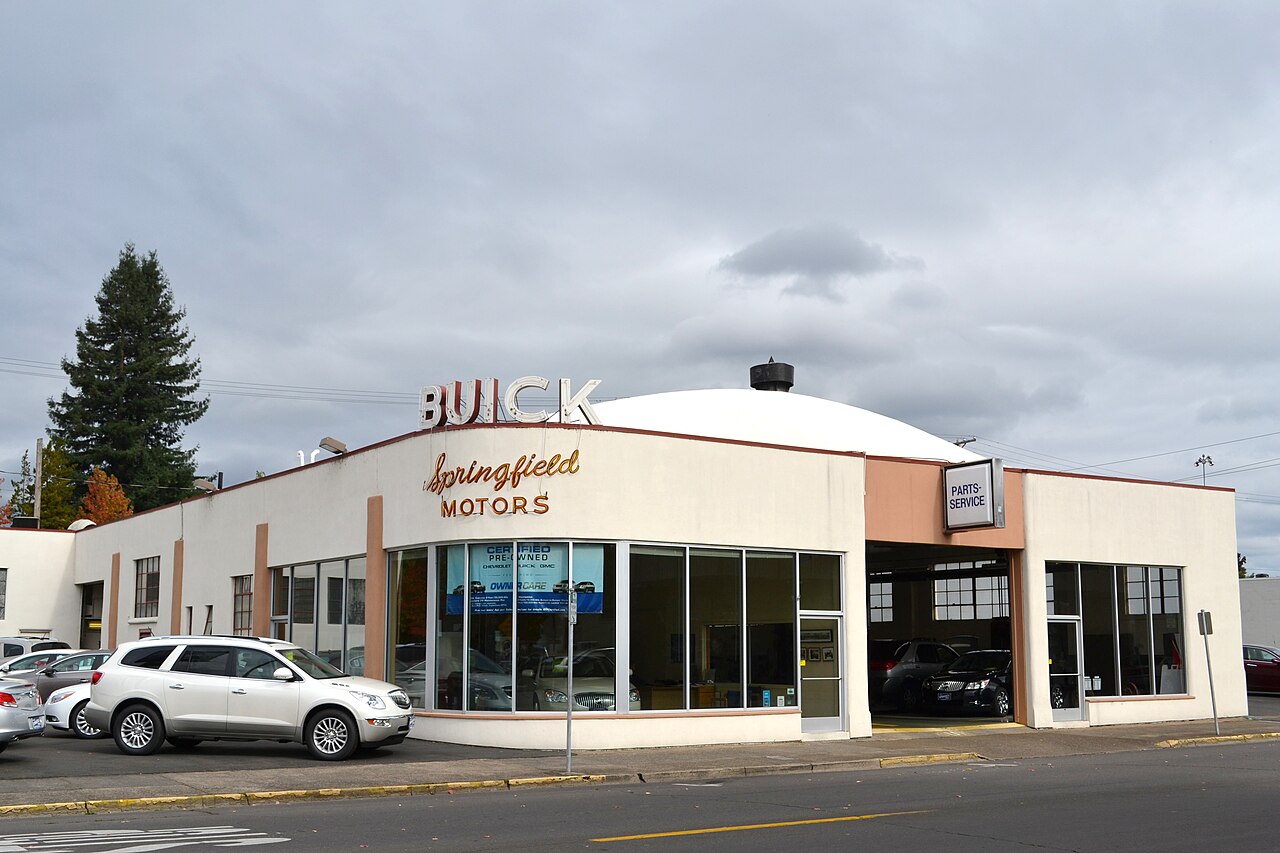
after-sales service is key for GM Korea as they prepare for the Buick launch. The company believes that car sales are just the beginning of customer engagement.
GM Korea’s Strategy for Buick
As GM Korea prepares for the launch of the Buick brand in South Korea, the company is placing a strong emphasis on after-sales service as a key component of its strategy. Recognizing that car sales are merely the starting point of customer engagement, GM Korea aims to build long-lasting relationships with its customers through exceptional support and service.
This strategy is designed to differentiate Buick from its competitors in a crowded automotive market. The company believes that providing top-notch after-sales service will enhance customer satisfaction and loyalty, leading to repeat sales and positive word-of-mouth.
Key elements of GM Korea’s after-sales service initiative include:
- Comprehensive Maintenance Programs: Offering inclusive maintenance packages that cater to various customer needs.
- 24/7 Customer Support: Ensuring that assistance is always available, making it easier for customers to address issues.
- Extended Warranty Offers: Providing peace of mind with warranties that go beyond industry standards.
- Dedicated Service Centers: Establishing service centers that prioritize customer convenience and efficient service.
Through this focused approach, GM Korea is confident that after-sales service will not only support initial sales but also foster a loyal customer base for the Buick brand.
Importance of After-Sales Service
The importance of after-sales service cannot be overstated in the competitive automotive market. As GM Korea prepares for the launch of Buick, the company emphasizes that strong after-sales support is essential for building customer loyalty and enhancing brand reputation.
After-sales service encompasses a range of support options that can significantly impact a customer’s overall experience, including:
- Maintenance and Repairs: Providing efficient and reliable service can reassure customers that their investment is protected.
- Customer Support: Having a dedicated team to assist customers with inquiries and issues can foster trust and satisfaction.
- Warranty Programs: Offering comprehensive warranty options can attract buyers, as it reflects confidence in the vehicle’s quality.
- Parts Availability: Ensuring that spare parts are easily accessible can minimize downtime for customers.
As Buick enters the market, focusing on after-sales service may set it apart from competitors. By prioritizing customer care post-purchase, GM Korea hopes to turn initial car sales into lasting relationships, which can lead to repeat business and positive word-of-mouth recommendations.
How After-Sales Service Enhances Customer Loyalty
In today’s competitive automotive market, after-sales service plays a pivotal role in enhancing customer loyalty. For Buick, prioritizing this aspect can lead to long-term relationships with clients, ensuring they remain satisfied long after their initial purchase.
When customers feel valued through exceptional service, they are more likely to recommend the brand to others. This word-of-mouth marketing can significantly amplify Buick’s presence in the market. Moreover, a strong after-sales service can provide customers with peace of mind, knowing that their investment is protected and that they have ongoing support.
Key elements that contribute to effective after-sales service include:
- Timely Maintenance: Regular check-ups and timely responses to issues help in preventing larger problems down the line.
- Customer Support: Accessible and knowledgeable support teams ensure that customers feel heard and valued.
- Loyalty Programs: Rewarding repeat customers can create a sense of belonging and encourage them to stick with the brand.
Ultimately, by investing in after-sales service, Buick can foster a loyal customer base that drives sustained sales and enhances brand reputation.
Challenges in Implementing After-Sales Service
As GM Korea prepares for the launch of Buick, several challenges emerge in implementing effective after-sales service. While the strategy aims to enhance customer loyalty, various factors may hinder its success.
- Resource Allocation: Adequate funding and staffing are essential to provide quality after-sales service. Insufficient resources could lead to longer wait times for repairs and reduced customer satisfaction.
- Training and Expertise: Employees must be well-trained in the intricacies of Buick vehicles. A lack of expertise can result in misdiagnoses and poor service, undermining the overall strategy.
- Customer Expectations: Modern consumers often have high expectations for after-sales service. Meeting these expectations consistently can be a daunting task, especially in a competitive market.
- Integration with Sales Strategy: Aligning after-sales service with the initial sales approach is crucial. If customers feel a disconnect between the two, it could negatively impact their perception of the brand.
Despite these challenges, a well-executed after-sales service strategy could ultimately establish Buick as a trusted name in the automotive market.
Comparing After-Sales Strategies in the Auto Industry
In the competitive landscape of the auto industry, after-sales service plays a critical role in shaping brand loyalty and customer satisfaction. Various manufacturers have adopted distinct approaches to enhance their after-sales strategies.
- Luxury Brands: Companies like Mercedes-Benz and BMW invest heavily in personalized service, offering exclusive perks such as complimentary maintenance and dedicated customer support lines.
- Mass Market Brands: Toyota and Honda focus on reliability and affordability, ensuring that their after-sales service remains accessible and cost-effective for a broad audience.
- Electric Vehicle Manufacturers: Tesla has revolutionized after-sales service with its over-the-air updates and mobile service units, allowing for quicker repairs and minimal downtime.
- Regional Brands: Local players often emphasize community engagement, providing tailored after-sales solutions that resonate with specific market needs.
As GM Korea prepares for the Buick launch, leveraging robust after-sales service could differentiate the brand in a saturated market. By ensuring customers feel valued even after the purchase, Buick may establish a strong foothold and foster enduring relationships with its clientele.
Future of Buick in the Market
The future of Buick in the market hinges significantly on its approach to after-sales service. As GM Korea prepares for the brand’s launch, the emphasis on exceptional customer support is seen as a crucial differentiator in a competitive automotive landscape.
Buick aims to cultivate a strong relationship with its customers, ensuring that they feel valued long after their purchase. This strategy is expected to not only boost customer satisfaction but also enhance brand loyalty, which is vital for long-term success.
Industry experts note that companies that invest in after-sales service often see a higher rate of repeat purchases. Buick’s commitment to providing comprehensive maintenance packages and responsive customer service is designed to create a seamless ownership experience.
However, the implementation of this strategy will not be without challenges. The company must ensure that its service network is adequately equipped and that staff are well-trained to meet customer expectations. Additionally, effective communication about after-sales offerings will be essential to maximize customer awareness and engagement.
Ultimately, Buick’s future in the market may depend on its ability to integrate after-sales service into its core business strategy, setting a standard for excellence that resonates with consumers.
Customer Feedback on After-Sales Experience
Customer feedback plays a crucial role in shaping the after-sales service strategy for Buick as it prepares for its launch in Korea. Recent surveys indicate that customers prioritize after-sales experiences when selecting a brand. Many consumers expressed a desire for prompt and efficient service, highlighting the importance of maintaining a strong relationship with the dealership post-purchase.
In a recent poll, respondents shared their thoughts on what they expect from after-sales service:
- Timeliness: Customers want quick responses to queries and rapid resolution of issues, which they feel enhances their overall satisfaction.
- Transparency: Clear communication regarding service costs and timelines was deemed essential, as it builds trust between the customer and dealership.
- Personalization: Many buyers appreciate personalized follow-ups and tailored service recommendations that cater to their specific needs.
Moreover, the sentiment was clear: a positive after-sales service experience could significantly influence their likelihood of recommending Buick to friends and family. This feedback reinforces the notion that after-sales service is not merely an add-on, but rather a pivotal strategy that can determine the success of Buick’s market entry.
via Wikimedia Commons