

Lentiviral Vector CAR-T is at the forefront of innovative cancer therapy, offering new hope through advanced development techniques.
What is Lentiviral Vector CAR-T?
Lentiviral Vector CAR-T is an innovative approach in the field of cancer therapy that combines the principles of gene therapy with the power of T-cell immunotherapy. This technique utilizes lentiviral vectors to modify a patient’s own T cells, equipping them to better recognize and attack cancer cells.
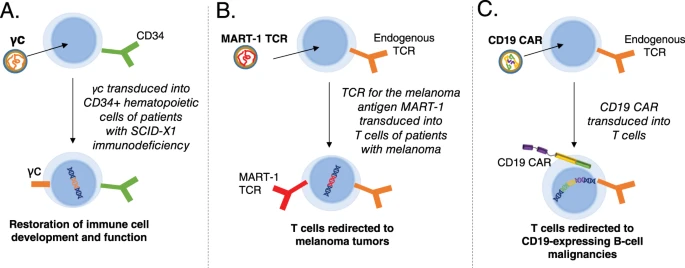
The process begins by extracting T cells from a patient’s blood. These cells are then genetically engineered using a lentiviral vector, which carries the genetic instructions for a chimeric antigen receptor (CAR). This CAR allows the T cells to identify and bind specifically to cancer cells, leading to their destruction.
There are several key advantages associated with Lentiviral Vector CAR-T:
- Enhanced specificity: The CAR directs T cells to target only cancerous cells, reducing damage to healthy tissues.
- Long-lasting effects: Modified T cells can persist in the body for extended periods, offering sustained anti-tumor activity.
- Customization: Therapies can be tailored to individual patients, addressing the unique characteristics of their cancer.
As research and clinical trials continue, Lentiviral Vector CAR-T is poised to play a pivotal role in the future of cancer therapy.
Innovations in Cancer Therapy
Innovations in cancer therapy have gained momentum with the advent of advanced technologies, particularly in personalized medicine. One notable advancement is the use of Lentiviral Vector CAR-T therapies, which are transforming the treatment landscape for various types of cancer. This approach harnesses the body’s immune system by genetically modifying T cells to recognize and attack cancer cells more effectively.
Recent developments highlight the potential of these therapies to provide long-lasting remissions and even cures for patients who previously had limited options. The versatility of lentiviral vectors allows for the incorporation of multiple genetic modifications, enhancing the T cells’ ability to target and destroy tumors.
Moreover, the integration of in vivo gene editing techniques is paving the way for more efficient and safer CAR-T treatments. This innovation minimizes the risks associated with traditional ex vivo approaches and enables real-time adjustments to the therapy, tailored to individual patient needs.
As research continues to evolve, experts believe that the future of cancer therapy lies in the refinement of Lentiviral Vector CAR-T strategies, making it an essential focus for ongoing studies and clinical trials.
The Role of Creative Biogene
Creative Biogene is at the forefront of advancing Lentiviral Vector CAR-T technology, positioning itself as a leader in the development of innovative cancer therapies. By utilizing lentiviral vectors, the company aims to enhance the efficacy of CAR-T cell therapies, making them more effective in targeting and eliminating cancer cells.
The recent launch of their Lentiviral Vector-Based In Vivo CAR-T development program underscores their commitment to pioneering new treatment modalities that can potentially transform patient outcomes. This approach focuses on direct delivery of CAR-T cells into the patient’s body, enabling a more efficient and targeted response against tumors.
Key aspects of Creative Biogene’s strategy include:
- Innovative Techniques: Employing advanced lentiviral vector technology to improve gene delivery.
- Collaboration: Partnering with research institutions to leverage expertise in CAR-T development.
- Clinical Trials: Initiating trials to validate the effectiveness and safety of their therapies.
With these initiatives, Creative Biogene is not only enhancing the landscape of cancer treatment but also paving the way for future advancements in Lentiviral Vector CAR-T therapies.
Benefits of In Vivo Development
The advent of Lentiviral Vector CAR-T therapy marks a significant advancement in cancer treatment, particularly through in vivo development. This innovative approach offers numerous benefits that can enhance patient outcomes and streamline the therapeutic process.
- Targeted Delivery: In vivo development allows for the precise and targeted delivery of CAR-T cells directly to the tumor site, improving the effectiveness of the treatment while minimizing off-target effects.
- Lower Risk of Infection: By utilizing a lentiviral vector, the risk of infections commonly associated with ex vivo methods is significantly reduced, contributing to overall patient safety.
- Enhanced Persistence: In vivo CAR-T cells have shown prolonged persistence in the patient’s body, resulting in sustained anti-tumor activity and potentially better long-term outcomes.
- Scalable Production: The development process for lentiviral vector-based therapies is more scalable, allowing for faster production and deployment of treatments to a larger patient population.
These advantages underscore the promising future of Lentiviral Vector CAR-T therapies in revolutionizing cancer care and improving the lives of patients worldwide.
Challenges in CAR-T Therapy
Despite the promising advancements in Lentiviral Vector CAR-T therapy, several challenges persist that hinder its widespread application in clinical settings. These challenges include:
- Manufacturing Complexities: The production of lentiviral vectors is a complicated process that requires stringent quality control and standardization to ensure safety and efficacy.
- Cost Factors: The high cost associated with CAR-T therapies can limit patient access and pose financial burdens on healthcare systems.
- Patient-Specific Variability: Individual patient responses to CAR-T therapy can vary significantly, making it difficult to predict outcomes and tailor treatments effectively.
- Safety Concerns: Potential side effects, including cytokine release syndrome and neurotoxicity, can arise from the treatment, necessitating careful patient monitoring.
- Regulatory Challenges: Navigating the regulatory landscape for new therapies can be time-consuming and complex, potentially delaying the availability of innovative treatments.
Addressing these challenges is critical for the successful implementation of Lentiviral Vector CAR-T therapies, ensuring that they can reach their full potential in the fight against cancer.
Future Prospects for Cancer Treatment
The future of cancer treatment is increasingly leaning towards advanced technologies like Lentiviral Vector CAR-T therapy. This innovative approach not only enhances the effectiveness of traditional CAR-T cell therapies but also opens new avenues for personalized medicine.
As researchers continue to explore the potential of Lentiviral Vector CAR-T, several key prospects emerge:
- Personalized Treatments: The ability to tailor therapies to individual patient profiles may significantly improve outcomes.
- Broadened Applications: Beyond hematological cancers, the technology holds promise for solid tumors, which have been challenging to treat.
- Improved Safety: Enhanced precision in targeting cancer cells could reduce the risk of adverse effects associated with conventional therapies.
- Accessibility: As manufacturing processes become more streamlined, the availability of Lentiviral Vector CAR-T therapies may increase, making them accessible to a larger patient population.
With companies like Creative Biogene leading the charge in Lentiviral Vector-based innovations, the next decade could see a transformative shift in cancer care, positioning these therapies as a cornerstone of future treatment regimens.
By Michael C. Milone & Una O’Doherty via Openverse