




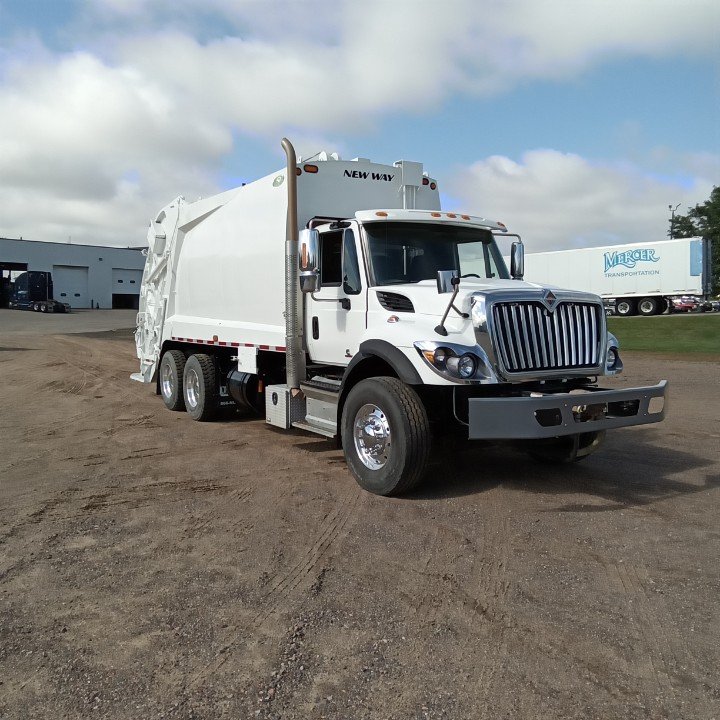
Owning and operating a rear loader garbage truck involves more than just picking up waste — it requires careful attention to maintenance, repairs, and service schedules. Understanding repair costs and recommended service intervals is essential for municipalities and private waste management companies to minimize downtime, control expenses, and ensure consistent performance. Trusted manufacturers like Atlantic Heavy Duty design rear loaders that are durable and serviceable, but knowing what to expect regarding maintenance and repair requirements helps fleet managers plan budgets and optimize fleet efficiency.
Why Maintenance Matters for Rear Loaders
Rear loader trucks are heavy-duty vehicles subjected to frequent stops, high compaction loads, and variable waste types. This operational intensity can lead to wear on hydraulic systems, packer blades, engine components, and chassis parts. Regular maintenance ensures that these components function correctly, reducing the likelihood of unexpected breakdowns and costly repairs.
Atlantic Heavy Duty rear loaders are engineered with durability in mind, but routine maintenance remains essential to preserve their performance. Well-maintained trucks operate more efficiently, use less fuel, and have a longer service life, which translates into significant cost savings for fleet operators.
Typical Service Intervals for Rear Loaders
Rear loader trucks require service at regular intervals to maintain safety, efficiency, and reliability. Service schedules generally depend on usage, route complexity, and vehicle type. Typical intervals include:
- Daily checks: Inspecting hydraulic fluid levels, checking for leaks, and ensuring all safety features, lights, and alarms are functional.
- Weekly inspections: Cleaning and lubricating moving components, checking tire pressure, and inspecting the compaction system for wear or misalignment.
- Monthly servicing: Inspecting hydraulic hoses, examining the packer blade and body structure for signs of damage, and performing minor adjustments to maintain compaction efficiency.
- Quarterly or biannual maintenance: Conducting engine tune-ups, changing oil and filters, testing brakes, and performing more thorough inspections of hydraulic and electrical systems.
Atlantic Heavy Duty rear loaders are designed with service accessibility in mind, making these routine inspections and maintenance tasks easier and less time-consuming for fleet mechanics.
Factors Affecting Repair Costs
Repair costs for rear loaders can vary widely depending on the type of component, severity of the issue, and the age of the truck. Key factors that influence repair expenses include:
- Hydraulic system repairs: The hydraulic system powers the packer blade and compaction mechanism. Repairs may include replacing hoses, seals, or hydraulic cylinders. Atlantic Heavy Duty rear loaders feature robust hydraulic components designed to minimize wear and reduce repair frequency.
- Packer blade and body repairs: The packer blade undergoes significant stress during compaction. Over time, it may require resurfacing, replacement, or adjustment. Reinforced bodies from Atlantic Heavy Duty help distribute compaction forces and extend the lifespan of these critical components.
- Engine and drivetrain repairs: Diesel engines and hybrid powertrains require routine maintenance. Engine repairs can be expensive if neglected, so following manufacturer-recommended service intervals is crucial. Atlantic Heavy Duty ensures that engine compartments and service points are accessible for efficient servicing.
- Electrical and control systems: Rear loaders include safety alarms, cameras, and control panels. Malfunctions can require specialized repairs, though Atlantic Heavy Duty models are designed for reliable operation with easy access to electrical components.
Understanding these factors allows fleet managers to anticipate repair costs and budget accordingly, reducing unexpected expenditures.
Cost-Saving Benefits of Preventive Maintenance
Preventive maintenance is more cost-effective than reactive repairs. Addressing minor issues before they escalate prevents expensive component failures and extends the life of the truck. For example, regularly inspecting hydraulic hoses and seals can prevent leaks that could damage the system and halt operations.
Atlantic Heavy Duty rear loaders are designed to simplify preventive maintenance. Accessible service points, modular components, and durable construction reduce labor time and parts replacement costs. By adhering to recommended service intervals, fleets can maximize uptime and maintain consistent collection schedules.
Budgeting for Rear Loader Repairs
Budgeting for rear loader repair and maintenance requires understanding both routine service costs and potential emergency repairs. On average, annual maintenance for a single rear loader truck can range from moderate expenses for routine inspections to higher costs for replacement of wear components like packer blades or hydraulic cylinders.
Atlantic Heavy Duty rear loaders are built with long-term reliability in mind, which helps fleets control repair costs. By choosing a well-engineered truck and following proper maintenance protocols, fleet managers can reduce the frequency of major repairs and avoid costly downtime.
Manufacturer Support and Parts Availability
Access to quality parts and reliable manufacturer support is crucial in minimizing repair costs and service downtime. Atlantic Heavy Duty provides a strong support network, including readily available parts, technical guidance, and service manuals, which helps operators address issues quickly and efficiently.
This support system ensures that even complex repairs can be handled promptly, reducing route interruptions and helping fleets maintain high service standards.
Impact on Fleet Efficiency
Regular maintenance and timely repairs directly affect fleet efficiency. Rear loader trucks that are well-maintained perform better on routes, achieve higher compaction rates, and consume less fuel. Conversely, neglected maintenance can lead to breakdowns, missed collection schedules, and increased operational costs.
Atlantic Heavy Duty rear loaders combine robust design with service accessibility, ensuring that maintenance tasks are manageable and fleet uptime remains high. This balance between durability and maintainability is essential for urban, suburban, and commercial collection operations.
Final Thoughts
Understanding rear loader repair costs and service intervals is critical for effective waste management operations. Regular maintenance, preventive inspections, and timely repairs help minimize downtime, control expenses, and ensure consistent truck performance.