







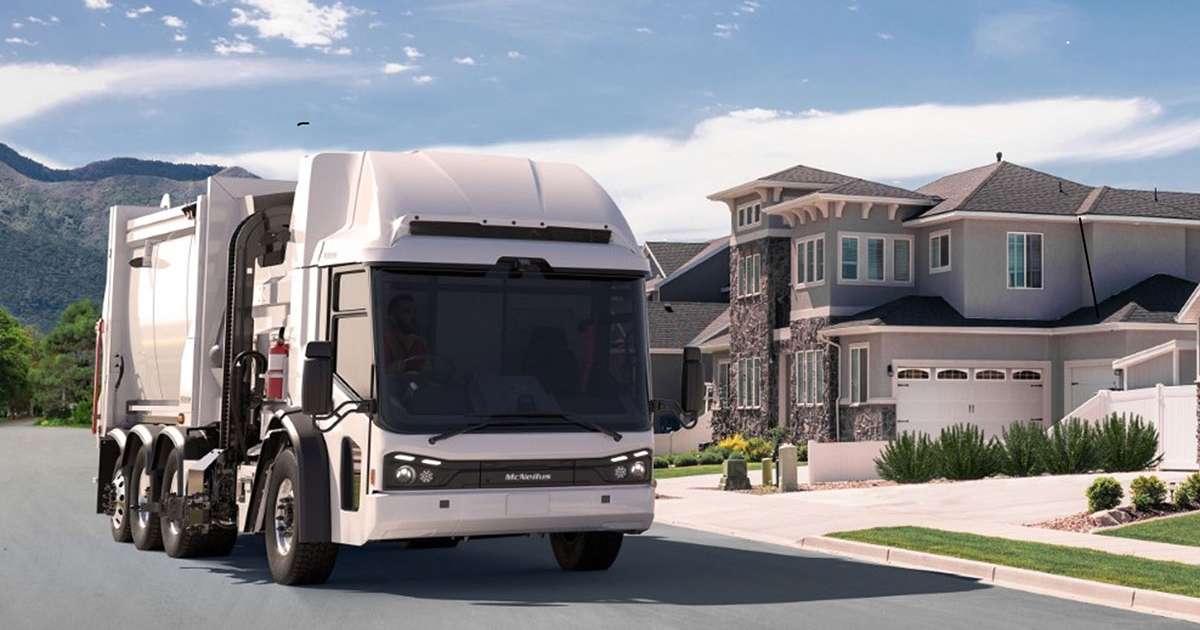
Waste collection companies operate in different environments, from residential neighborhoods and commercial districts to industrial properties and municipal service areas. Each environment creates specific demands for vehicle capacity, loading systems, maneuverability, and maintenance. McNeilus refuse trucks offer several configurations designed to address different waste collection requirements. Understanding the available model types and their practical applications helps fleet managers choose equipment that fits their operations and long-term business objectives.
An Overview of McNeilus Refuse Trucks
McNeilus is a recognized manufacturer of refuse and recycling collection vehicles. Its product range includes front loaders, rear loaders, and side loaders designed for different collection methods.
The appropriate configuration depends on the waste being collected, the containers used, the available working space, and the expected workload. Fleet operators should also consider chassis specifications, body capacity, maintenance requirements, and the availability of technical support.
Instead of choosing a truck based solely on its advertised features, businesses should evaluate how the vehicle will perform on their actual routes. A configuration that works well for a commercial waste hauler may not be the best choice for a residential collection program.
Front Loader Refuse Trucks
Front loaders are commonly used for commercial waste collection. Their loading systems are designed to lift compatible dumpsters over the front of the vehicle and transfer waste into the body.
This configuration can be useful for businesses that service restaurants, office buildings, shopping centers, warehouses, and other commercial properties. These locations may generate substantial waste volumes and require regular collection schedules.
When evaluating McNeilus front loaders, fleet managers should consider container compatibility, lifting requirements, operating height, and access to customer properties. The truck must be able to maneuver safely and position itself correctly for collection.
Businesses should also review body capacity, chassis ratings, and the maintenance requirements of the lifting mechanism. Choosing a vehicle that matches the container system can help improve collection consistency and reduce unnecessary handling delays.
Rear Loader Refuse Trucks
Rear loaders are used for various residential and commercial waste collection applications. Waste is loaded through the rear of the vehicle, allowing collection crews to work with compatible containers and collection arrangements.
A McNeilus rear loader may be suitable for operators who need flexibility across residential neighborhoods and light commercial routes. Depending on the model and available options, rear loaders can support manual collection methods, cart-based systems, or compatible container-handling equipment.
McNeilus rear loader models include Standard, Heavy Duty, Extra Compaction, Tag Axle, Split Body, and M2 configurations. Each serves different operational considerations, so buyers should review current specifications and availability before choosing a particular model.
The Standard Rear Loader is designed for residential and light commercial applications. The Heavy Duty version offers increased compaction capability for more demanding loads, while the Extra Compaction model is intended for applications that require additional compaction performance.
Tag axle configurations can help address particular payload and axle-loading requirements. Split Body models support separate waste streams, subject to the selected configuration and collection program. The M2 model is designed for certain lighter-weight applications, including international collection needs.
These distinctions make it important to evaluate the actual operating requirements before purchasing a rear loader.
Side Loader Refuse Trucks
Side loaders are often used for residential collection programs that rely on compatible carts. Automated systems can allow a driver to operate a mechanical arm from the cab, reducing the need for workers to lift individual containers manually.
This arrangement may improve consistency on routes designed around standardized carts and suitable curbside access. However, performance depends on container placement, road conditions, parked vehicles, and the collection system used by the municipality or contractor.
Fleet managers considering side loaders should evaluate the available working space, cart specifications, operator visibility, and maintenance requirements of the automated mechanism.
Driver training remains essential because automation does not eliminate the need for safe vehicle positioning and awareness of pedestrians and other road users.
Matching Models to Operational Needs
Selecting a refuse truck begins with understanding the collection environment. Residential routes may involve frequent stops and limited maneuvering space, while commercial routes may require lifting larger containers and handling heavier waste loads.
Businesses should document the types of waste collected, daily stop counts, route distances, disposal locations, and expected future growth. They should then compare vehicle configurations according to these requirements.
Payload limits are especially important. A larger body does not automatically mean a truck can legally carry more weight. The chassis, axle ratings, local regulations, and density of the collected material all influence usable capacity.
A detailed assessment helps businesses avoid purchasing equipment that is unsuitable for their routes or more expensive to operate than necessary.
Maintenance and Replacement Parts
Every refuse truck requires appropriate maintenance to remain dependable. Loading mechanisms, hydraulic systems, electrical equipment, tires, brakes, and structural components should be inspected according to the manufacturer’s guidance and actual operating conditions.
Fleet managers should retain service records and investigate recurring problems promptly. This approach helps identify repair patterns and supports more informed maintenance budgeting.
When ordering McNeilus rear loader components, businesses should verify the exact model, year, serial number where applicable, and required part specifications. Similar-looking components may not be interchangeable across different configurations.
Access to reliable parts and qualified technical support can reduce repair delays. Managers should compare supplier availability, delivery timelines, warranty conditions, and technical assistance before making purchasing decisions.
Ten-8 Industrial and Equipment Support
Ten-8 Industrial is part of McNeilus’s independent dealership network and provides refuse truck sales, service, maintenance, and parts support across Alabama, Florida, Georgia, and Mississippi.
Fleet operators can investigate its services when evaluating support for McNeilus equipment. Before arranging a purchase or repair, they should confirm current service coverage, parts availability, and compatibility with the truck in question.
Reliable technical support can help businesses coordinate scheduled maintenance, diagnose equipment problems, and obtain suitable replacement components.
Comparing Total Ownership Costs
The best truck for a fleet is not necessarily the one with the lowest purchase price. Fuel, labor, insurance, repairs, replacement parts, and downtime all influence lifetime operating costs.
Businesses should compare expected expenses across suitable configurations and consider how each truck will perform under their particular conditions. Used vehicles should receive careful inspections, including reviews of maintenance history, hydraulic performance, chassis condition, and loading equipment.
Accurate cost estimates can help managers decide whether to purchase new equipment, maintain existing vehicles, or replace trucks that no longer meet operational needs.
Conclusion
McNeilus refuse trucks are available in different configurations for commercial, residential, and specialized waste collection applications. Front loaders, rear loaders, and side loaders each serve particular purposes, while variations within each category address different operating requirements.
By evaluating collection methods, payload limits, maintenance needs, and total ownership costs, businesses can select vehicles that suit their fleets. Planning for compatible replacement components and researching support providers such as Ten-8 Industrial can further help operators maintain reliable equipment and efficient collection services.