






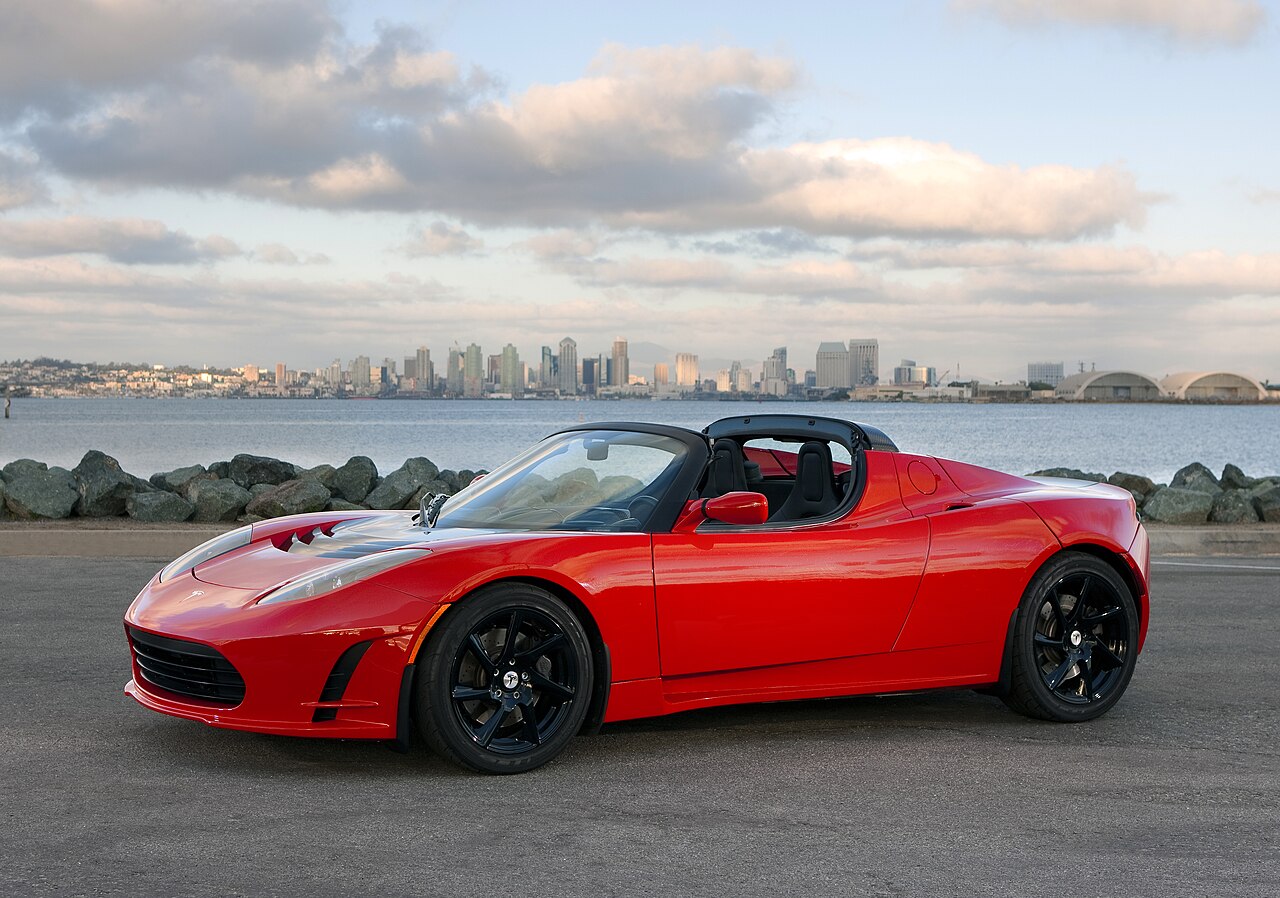
The flying Tesla Roadster is set to revolutionize transportation with its anticipated launch in 2028. This groundbreaking vehicle aims to redefine personal mobility and elevate the driving experience.
Overview of the Flying Tesla Roadster
The concept of a flying Tesla Roadster has captured the imagination of tech enthusiasts and automotive fans alike. Scheduled for a launch in 2028, this innovative vehicle aims to redefine personal transportation by combining cutting-edge aerodynamics with Tesla’s renowned electric vehicle technology.
The flying Tesla Roadster is designed to offer a seamless transition between driving and flying, featuring advanced propulsion systems that ensure efficient aerial travel. Key features of this revolutionary vehicle include:
- Vertical Takeoff and Landing (VTOL): Enabling the vehicle to take off and land in confined spaces.
- Autonomous Navigation: Utilizing Tesla’s AI technology for safe and efficient flying routes.
- Sustainable Energy Solutions: Powered by Tesla’s cutting-edge battery technology for eco-friendly travel.
Elon Musk has emphasized the importance of making transportation not only faster but also more sustainable. The anticipation surrounding the flying Tesla Roadster has sparked discussions about the future of urban mobility and the potential challenges of integrating flying vehicles into existing infrastructure. As 2028 approaches, many are eager to witness how this ambitious project will unfold.
Elon Musk’s Vision for the Future
Elon Musk has long been known for his ambitious visions of the future, and the upcoming flying Tesla Roadster is no exception. This innovative vehicle promises to revolutionize personal transportation by combining the speed of a sports car with the versatility of aerial travel. Musk envisions a world where traffic jams become a thing of the past, as flying vehicles take to the skies, offering a more efficient way to navigate urban environments.
In a recent announcement, Musk outlined several key features that the flying Tesla Roadster will incorporate:
- Vertical Takeoff and Landing (VTOL): The design will allow for easy vertical ascent and descent, making it suitable for urban settings.
- Electric Propulsion: Staying true to Tesla’s commitment to sustainability, the Roadster will utilize electric motors for both driving and flying.
- Autonomous Navigation: Advanced AI will guide the vehicle, ensuring safety and efficiency in crowded airspace.
Musk’s excitement for the project is palpable, as he believes that the flying Tesla Roadster will not only change how we travel but also enhance our quality of life. With a target launch date set for 2028, many eagerly await the realization of this groundbreaking concept.
Key Features of the Flying Roadster
The upcoming flying Tesla Roadster is set to revolutionize personal transportation, blending cutting-edge technology with the sleek design that Tesla is known for. Here are some of its key features:
- Vertical Takeoff and Landing (VTOL): The Roadster will utilize advanced VTOL technology, allowing it to take off and land in urban environments with ease.
- Electric Propulsion: Powered by Tesla’s state-of-the-art electric engines, the flying Roadster promises zero emissions while delivering impressive speed and agility.
- Autonomous Navigation: With built-in AI and navigation systems, the Roadster will be capable of flying autonomously, ensuring a safe and efficient travel experience.
- Advanced Safety Features: Equipped with multiple redundancy systems and safety protocols, the flying Tesla Roadster aims to prioritize passenger safety during flight.
- Luxurious Interior: Maintaining Tesla’s reputation for luxury, the interior will feature premium materials, cutting-edge infotainment systems, and spacious seating.
As the excitement builds for the 2028 launch, the flying Tesla Roadster promises to be a game-changer in both automotive and aerial transport.
Timeline for the 2028 Launch
The timeline for the much-anticipated flying Tesla Roadster is set to unfold over the next few years, leading up to its official launch in 2028. Elon Musk has outlined a strategic plan to ensure that the project stays on track and meets expectations. Key milestones include:
- 2024: Initial prototypes of the flying Roadster are expected to undergo extensive testing. This phase will focus on safety and performance, including flight capabilities and road use.
- 2025: The company aims to finalize design specifications and begin the production of the first batch of flying Roadsters. Public demonstrations may also be held to showcase the vehicle’s unique features.
- 2026: Regulatory approvals will be pursued as Tesla works closely with aviation authorities. This step is crucial for ensuring that the flying Roadster meets all safety regulations.
- 2027: The company plans to begin pre-orders, allowing early adopters to secure their flying Tesla Roadster. Marketing campaigns will ramp up to generate excitement.
With this timeline, Tesla is poised to revolutionize personal transportation, merging the thrill of driving with the freedom of flight.
Public Reaction to the Flying Car
The announcement of the flying Tesla Roadster has sparked a mix of excitement and skepticism among the public. Many enthusiasts eagerly anticipate what this innovative vehicle could mean for the future of transportation.
On social media, reactions have ranged from awe to disbelief, with some users expressing their enthusiasm for a future where flying cars are a reality. Others, however, have raised concerns about safety, regulatory hurdles, and the practicality of integrating flying vehicles into existing airspace.
- Excitement: Fans of Tesla and aviation are thrilled at the prospect of a flying car, envisioning a new era of mobility.
- Skepticism: Critics question the feasibility of the flying Tesla Roadster, citing potential technical and safety challenges.
- Safety Concerns: Many worry about how flying cars will be regulated and what measures will be taken to ensure public safety.
As discussions continue, it is clear that the flying Tesla Roadster is capturing the imagination of many. Whether it will become a common sight in the skies by 2028 remains to be seen, but the conversation has undoubtedly begun.
Challenges in Developing Flying Vehicles
As the excitement builds around the flying Tesla Roadster, developers face a myriad of challenges in transforming this ambitious vision into reality. The integration of flight technology into a vehicle designed for road use presents numerous technical hurdles that require innovative solutions.
- Regulatory Approval: One of the primary challenges is navigating the complex landscape of aviation regulations. Securing the necessary approvals from aviation authorities will be crucial for the flying Tesla Roadster to take to the skies legally.
- Safety Standards: Ensuring the safety of passengers, particularly in emergency situations, is paramount. Developers must create robust safety systems that can handle both road and aerial travel.
- Battery Technology: The flying Tesla Roadster will need an advanced power source capable of supporting both propulsion and flight. Improvements in battery life and efficiency are essential to making the vehicle practical for everyday use.
- Aerodynamics: Balancing the design to optimize both aerodynamics for flight and sleekness for road performance poses a significant engineering challenge.
Despite these challenges, the prospect of a flying Tesla Roadster has ignited enthusiasm and curiosity, pushing the boundaries of what personal transportation can achieve.
via Wikimedia Commons