








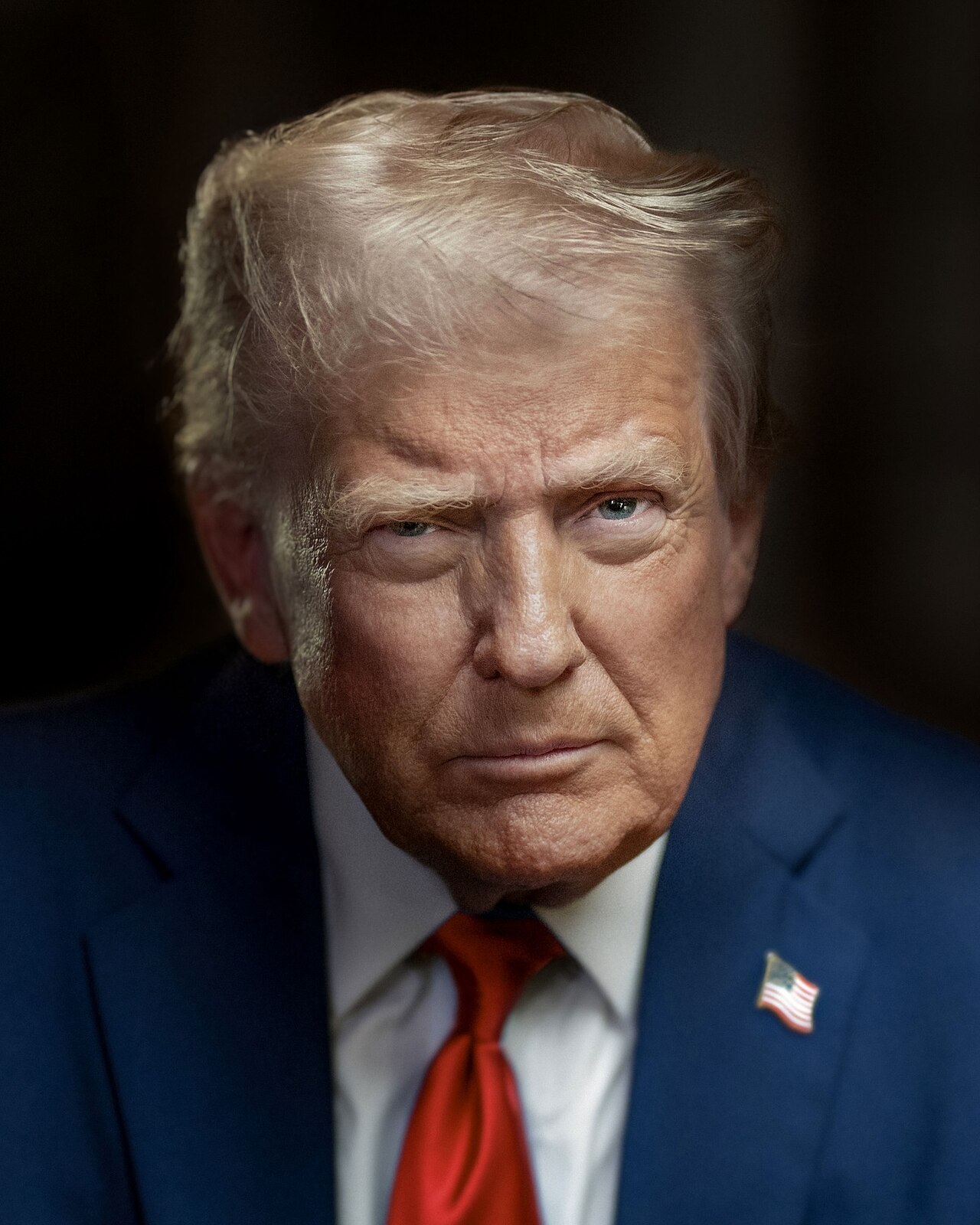
Gas prices midterms are a critical issue for Trump as he seeks to lower fuel costs ahead of the upcoming elections. The current situation is not looking favorable for his plans.
Current Gas Prices Trends
As the midterm elections approach, gas prices have emerged as a significant concern for many voters. Current trends indicate that prices at the pump remain high, which could pose a challenge for candidates like former President Trump, who has made reducing these costs a central part of his campaign strategy. Recent data shows that the national average for gas has fluctuated, causing frustration among consumers.
According to the American Automobile Association (AAA), the current average price for regular gasoline is hovering around $3.50 per gallon, which is notably higher than the previous year. This surge in gas prices has been attributed to various factors, including:
- Global Oil Supply Issues: Ongoing geopolitical tensions have impacted oil production and distribution.
- Increased Demand: As travel and economic activity resume post-pandemic, demand for fuel has surged.
- Refinery Challenges: Maintenance and operational issues at refineries have further limited supply.
The persistent rise in gas prices could play a pivotal role in the midterms, influencing voter sentiment and shaping the outcomes of key races. Candidates are acutely aware that high fuel costs can sway public opinion, making it imperative for them to address these concerns head-on if they hope to gain support in the upcoming elections.
Impact of Fuel Costs on Voters
The impact of fuel costs on voters is becoming increasingly significant as the midterms approach. With gas prices remaining elevated, many Americans are voicing their concerns about the economic implications of these costs. As voters head to the polls, their perceptions of gas prices could greatly influence their choices.
According to recent surveys, a majority of voters are placing blame for rising gas prices on current administration policies, which could pose a challenge for Trump and his party. The connection between fuel costs and voter sentiment is evident in the following ways:
- Economic Anxiety: High gas prices contribute to feelings of financial insecurity, making voters more likely to support candidates promising to address these issues.
- Perception of Competence: Voters often associate gas prices with a party’s ability to manage the economy, impacting their overall approval ratings.
- Policy Focus: Candidates who prioritize energy independence and price control may gain favor among constituents frustrated by inflation.
As the midterms draw closer, the ongoing challenge of gas prices may not only influence voter turnout but also shape the conversation around key issues. While Trump’s efforts to bring down fuel costs are ongoing, the pressure from constituents continues to mount, making this a critical factor in the upcoming elections.
Trump’s Economic Strategy
As the midterms approach, Trump’s economic strategy has come under intense scrutiny, particularly regarding gas prices. With rising fuel costs impacting American households, the former president’s plan to stabilize prices has not gained the traction he anticipated.
Despite efforts to appeal to voters by promising lower gas prices, several factors have hampered Trump’s strategy:
- Global Supply Chain Issues: Ongoing disruptions in the global oil supply chain have led to higher prices at the pump, making it difficult for any administration to exert control over domestic fuel costs.
- Inflation Pressures: The broader economic landscape, marked by inflation, has exacerbated the situation, causing voters to feel the pinch in their wallets and prompting concerns about the overall economic management.
- Political Polarization: The divisive political climate has made it challenging for Trump to unite voters around his economic policies, particularly regarding fuel prices, which are often viewed through a partisan lens.
As gas prices remain a central issue in the midterms, Trump’s ability to connect with voters on economic matters is critical. The pressure is mounting to demonstrate effective leadership in confronting this pressing challenge, as many constituents look for tangible solutions to rising fuel costs.
Challenges Facing Trump’s Plans
As the midterm elections approach, former President Donald Trump faces significant challenges in his efforts to address rising gas prices, a crucial issue for many voters. With fuel costs continuing to impact the daily lives of Americans, Trump’s plans to reduce these prices appear to be faltering.
Several factors contribute to the difficulties surrounding Trump’s strategy:
- Global Oil Market Fluctuations: The unpredictable nature of the global oil market makes it challenging for any leader to stabilize gas prices. Ongoing geopolitical tensions and supply chain issues have further complicated the situation.
- Domestic Production Levels: Despite efforts to ramp up domestic oil production, challenges such as regulatory hurdles and environmental concerns have hindered progress. This has left Trump struggling to deliver on promises of lower gas prices.
- Voter Sentiment: Many voters are increasingly frustrated with rising fuel costs, which could sway their opinions during the midterms. Trump’s connection to these economic issues may impact his support among crucial demographics.
- Competition from Opponents: Democratic candidates are likely to capitalize on the dissatisfaction surrounding gas prices, positioning themselves as more effective in managing the economy and energy costs.
With the midterms on the horizon, tackling these challenges becomes imperative for Trump to regain voter confidence and navigate the political landscape successfully.
Public Reaction to Gas Prices
As the midterm elections approach, public sentiment regarding gas prices remains a critical issue. Many voters express frustration over the rising costs, which they perceive as a direct reflection of the current administration’s economic policies. A recent survey highlights that a significant percentage of respondents consider fuel prices a top concern when deciding whom to support in the upcoming elections.
In conversations across various communities, individuals cite the impact of high gas prices on their daily lives. Many have switched to carpooling or public transportation in an effort to save money. This shift in behavior underscores the urgency voters feel regarding gas prices midterms, as they seek leaders who can promise relief.
Furthermore, discussions on social media platforms reveal a mix of anger and helplessness. Users frequently share anecdotes of how rising fuel costs have strained their budgets, leading to less disposable income for other essentials. Some citizens have even taken to organizing local demonstrations to voice their dissatisfaction, emphasizing that gas prices are not merely a statistic but a personal struggle.
In light of these sentiments, candidates are urged to address the issue head-on, as voters are increasingly aware of the connection between fuel costs and broader economic conditions. It is clear that gas prices will play a pivotal role in shaping the outcomes of the midterm elections.
Comparative Analysis of Gas Prices
The landscape of gas prices in the lead-up to the midterms presents a complex challenge for Trump and his party. Historical data shows fluctuating fuel costs often correlate with electoral outcomes, making this issue particularly pressing as the midterms approach.
Comparing current gas prices to previous electoral cycles reveals significant trends:
- 2018 Midterms: Gas prices soared to an average of $3.38 per gallon, contributing to voter dissatisfaction and impacting Republican candidates in various districts.
- 2020 Presidential Election: Prices dipped significantly due to the pandemic, averaging around $2.20 per gallon, which some analysts argue benefited the incumbent’s reelection efforts.
- 2022 Midterms: An average price of $4.20 per gallon was recorded, which many believe played a role in shifting political dynamics and voter priorities.
As we approach the upcoming midterms, the current trend indicates that gas prices may exceed previous highs, which could exacerbate challenges for Trump’s campaign. With voters increasingly concerned about their financial burdens, the connection between gas prices and voter sentiment will likely intensify. The Republican strategy to mitigate the impact of rising fuel costs could become a pivotal issue, influencing not only Trump’s agenda but also the broader political landscape.
Historical Context of Gas Prices
The historical context of gas prices reveals a complex relationship between fuel costs and political outcomes in the United States. Over the decades, fluctuations in gas prices have often influenced voter behavior, particularly during election cycles. As the midterms approach, the current challenge for Trump is not merely about addressing high gas prices but also about understanding their historical impact on elections.
Throughout the 1970s, the nation experienced significant gas shortages and soaring prices, which contributed to a shift in political power. Voters often associate high fuel costs with ineffective governance, making gas prices a critical issue during midterms. In contrast, when prices are low, incumbents typically enjoy a boost in popularity, as voters feel the positive effects on their wallets.
In recent years, the narrative surrounding gas prices has evolved, influenced by global events, supply chain issues, and domestic policies. The current gas prices midterms landscape suggests that voters are increasingly aware of how fuel costs can impact their everyday lives, making it a central theme in political discourse.
As Trump navigates this challenging terrain, historical examples serve as a reminder that gas prices can be a double-edged sword. While efforts to lower prices may resonate with constituents, failure to do so could jeopardize his political standing as the midterms draw near.
Future Projections for Fuel Costs
As the midterm elections approach, the outlook for gas prices remains uncertain, posing a significant challenge for Trump and his campaign. Analysts predict that fluctuations in fuel costs could play a critical role in shaping voter sentiment, particularly among those who view gas prices as a direct reflection of economic health.
Current projections suggest that gas prices may continue to rise due to several factors, including:
- Global Oil Supply Disruptions: Ongoing geopolitical tensions and natural disasters can impact oil production, leading to rising costs at the pump.
- Increased Demand: With summer travel seasons approaching, demand for gasoline is likely to surge, further straining supply chains.
- Inflationary Pressures: Broader economic conditions, such as inflation, are expected to affect consumer behavior and spending, potentially keeping gas prices elevated.
This volatile environment means that Trump’s efforts to lower gas prices before the midterms may not yield the desired results. Voter frustration could mount if fuel costs remain high, jeopardizing Trump’s support among key demographics. As the elections draw closer, the focus on gas prices midterms will undoubtedly intensify, with both parties keenly aware of its potential impact on electoral outcomes.
Ultimately, how gas prices evolve in the coming months could significantly influence the political landscape and voter turnout, making it a pivotal issue for Trump’s campaign strategy.
The rising gas prices midterms are becoming a pivotal issue for Trump’s campaign strategy. As voters express their concerns over inflation, the gas prices midterms could significantly impact their decisions at the polls.
via Wikimedia Commons