








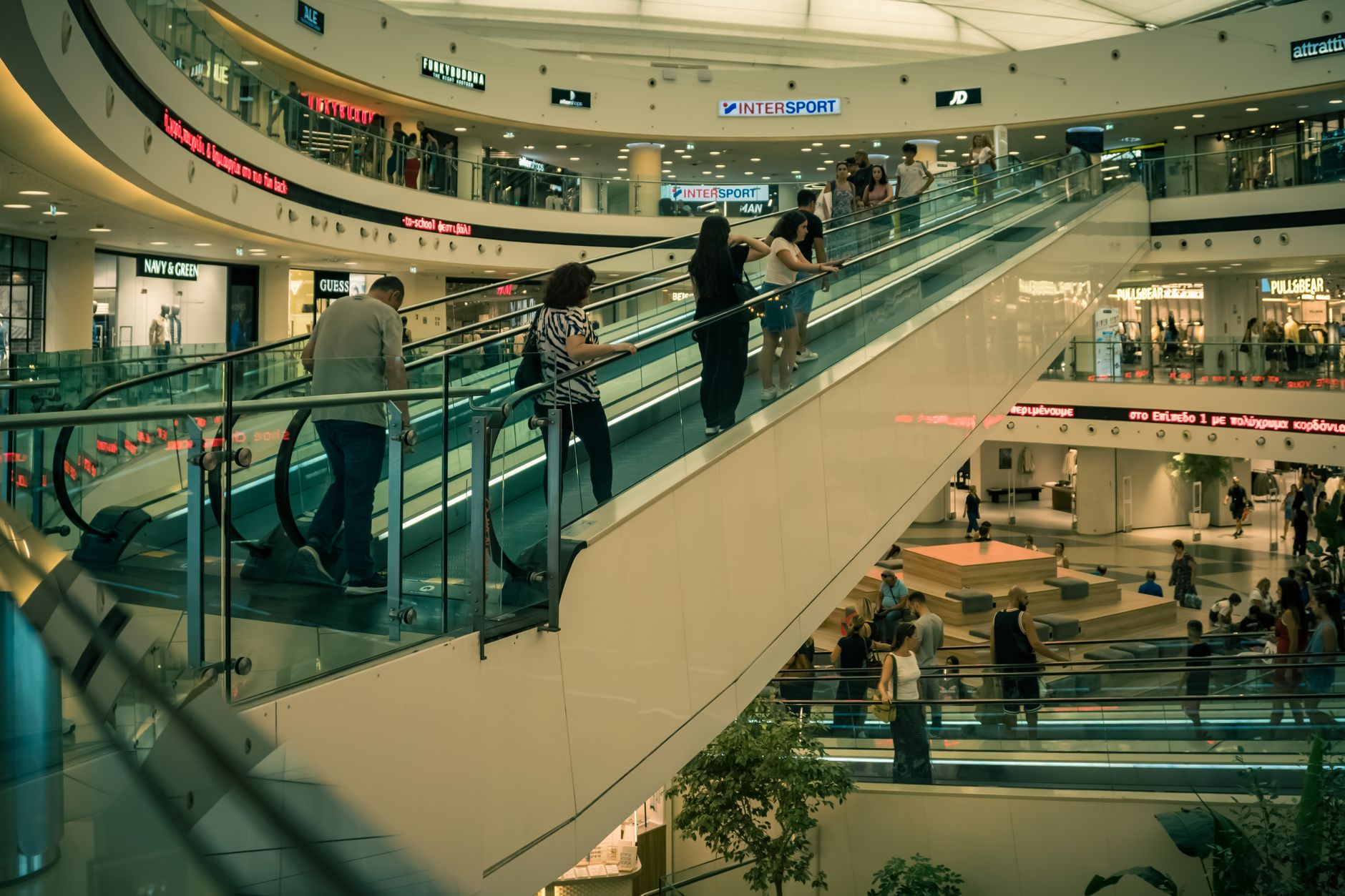
Retail spending slowdown has become evident in October as high prices give shoppers pause. This trend raises concerns about the future of consumer behavior and the retail market.
Understanding the Retail Spending Slowdown
The recent trend of retail spending slowdown has raised concerns among economists and retailers alike. As reported, spending slowed for retailers in October, primarily due to high prices that left shoppers hesitant to make purchases.
This phenomenon can have far-reaching implications, not only for retailers but also for consumers. When spending declines, businesses may struggle to maintain profit margins, potentially leading to reduced inventory and even layoffs. This, in turn, can create a vicious cycle affecting overall economic growth.
Several factors contribute to this slowdown:
- Inflation: Rising prices on essentials can strain household budgets.
- Consumer Confidence: A decline in confidence can lead to decreased spending.
- Interest Rates: Higher borrowing costs may deter major purchases.
As shoppers become more cautious, the long-term effects of the retail spending slowdown could change the landscape of consumer behavior, prompting businesses to adapt their strategies to meet evolving demands.
Factors Contributing to High Prices
The recent retail spending slowdown can largely be attributed to several interrelated factors that have impacted consumer behavior and purchasing power. Many shoppers are experiencing financial strain due to rising costs, which have led to a more cautious approach to spending.
- Inflation: Persistent inflation rates have driven prices up across various sectors, making it difficult for consumers to afford both essential and non-essential items.
- Interest Rates: Increased interest rates have resulted in higher borrowing costs, discouraging consumers from making large purchases, particularly in sectors like housing and automobiles.
- Supply Chain Issues: Ongoing supply chain disruptions continue to affect the availability of products, contributing to higher prices and limited options for shoppers.
- Consumer Confidence: A significant decline in consumer confidence has led many to prioritize savings over spending, further contributing to the retail spending slowdown.
As these factors converge, shoppers are increasingly feeling the pinch, causing shifts in their purchasing habits and preferences.
Impact on Consumer Behavior
The recent retail spending slowdown has significantly impacted consumer behavior, leading shoppers to reassess their purchasing habits. As prices remain high, many consumers are becoming more cautious about their spending, prioritizing essential items over discretionary purchases.
Several trends have emerged as a result of this shift:
- Increased Price Sensitivity: Shoppers are now more aware of prices and are actively seeking discounts and promotions.
- Preference for Value: Consumers are gravitating towards brands that offer better value for their money, often opting for generic or store-brand products.
- Delayed Purchases: Many are postponing non-essential purchases until prices stabilize, indicating a wait-and-see approach.
- Focus on Experiences: With fewer retail purchases, consumers are allocating more of their budgets to experiences, such as travel and dining out.
This shift in behavior could have long-term ramifications for retailers, as adapting to changing consumer priorities becomes essential in a climate impacted by the retail spending slowdown.
Future Outlook for Retailers
The future outlook for retailers amid the retail spending slowdown remains uncertain. With consumers becoming increasingly cautious about their spending, retailers may need to adapt their strategies to navigate this challenging environment. Experts predict that several trends will emerge as businesses respond to changing consumer behavior.
- Increased Focus on Value: Retailers may prioritize offering discounts and promotions to attract price-sensitive shoppers.
- Enhanced Online Shopping Experiences: As more consumers shift to online shopping, retailers must invest in technology to provide seamless and enjoyable experiences.
- Sustainable Practices: With rising awareness about environmental issues, retailers could focus on sustainability to appeal to conscientious consumers.
- Diverse Product Offerings: Expanding product ranges to include essential and affordable items might help retailers retain customers.
Ultimately, the ability of retailers to adapt to the retail spending slowdown will determine their success in the coming months. As they respond to evolving consumer preferences, staying flexible and innovative will be crucial.
Photo by stelios ΒΚ on Pexels