







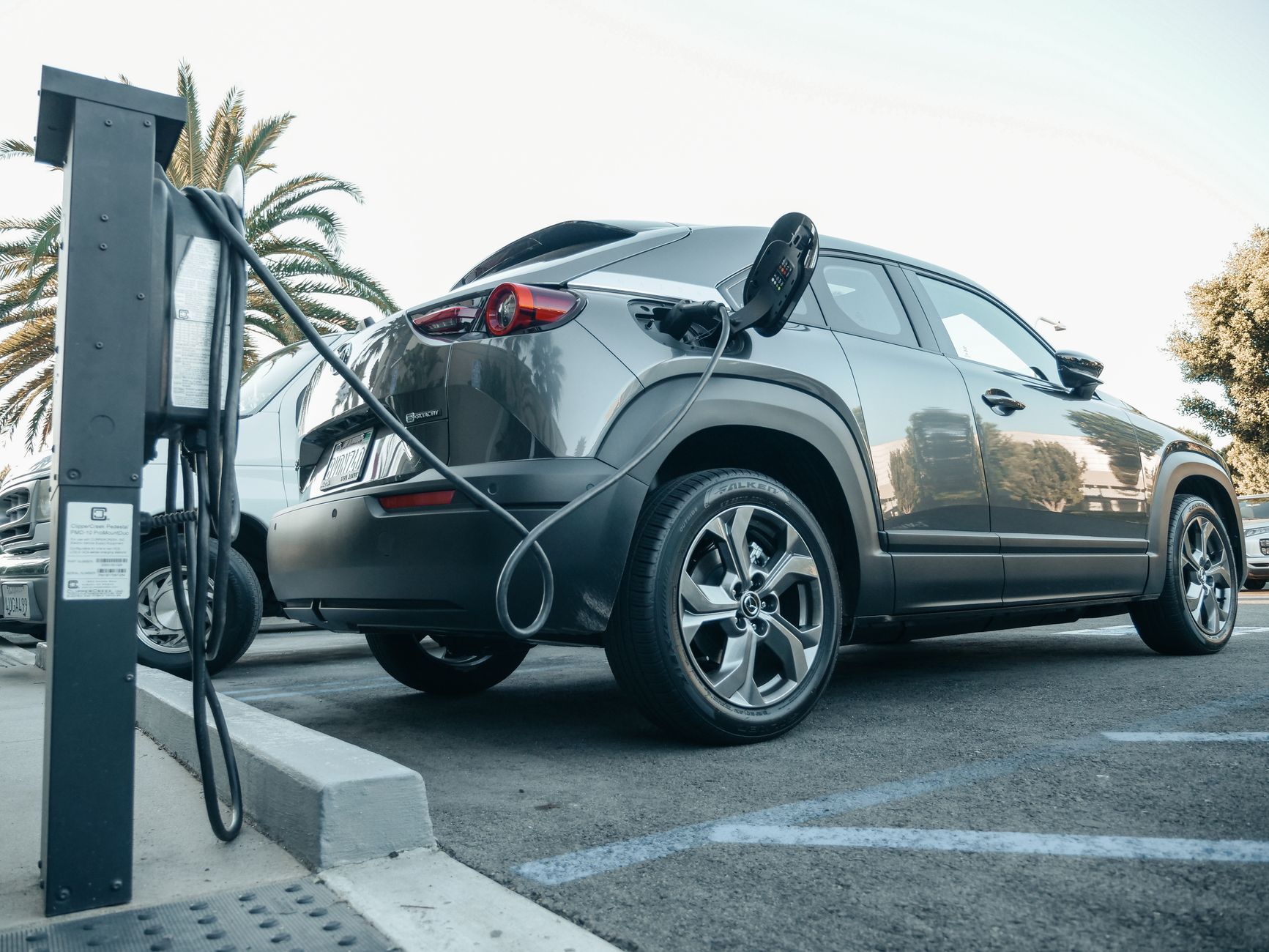
EV charging accessibility is essential for India’s transition to electric mobility. The need for reliable and affordable charging solutions has never been more pressing as the country aims to accelerate the adoption of electric vehicles.
Understanding EV Charging Needs
As electric vehicles (EVs) become increasingly popular, understanding the specific charging needs of users is essential to ensure reliable mobility. A significant aspect of this is EV charging accessibility, which refers to the availability and convenience of charging stations for all potential EV owners.
Various factors influence the accessibility of EV charging, including:
- Location: Charging stations must be strategically placed in urban and rural areas to cater to a wide range of users.
- Affordability: The cost of charging should be competitive with traditional fuel sources to encourage adoption.
- Charging Speed: Fast-charging options can significantly reduce waiting times, making EVs more attractive for consumers.
- Inclusivity: Charging infrastructure should accommodate different vehicle types and be accessible to people with disabilities.
To accelerate the shift to electric mobility in India, it is crucial to address these challenges and improve EV charging accessibility. By investing in reliable and widespread charging infrastructure, stakeholders can enhance user confidence and encourage more people to transition to electric vehicles.
Current State of EV Infrastructure
The current state of EV infrastructure in India highlights significant challenges that need to be addressed to enhance EV charging accessibility. As the demand for electric vehicles continues to grow, the existing charging network remains insufficient to meet the needs of users.
Recent studies, including those from the Institute for Energy Economics and Financial Analysis (IEEFA), indicate several key areas of concern:
- Limited Charging Stations: The number of charging stations is disproportionately low compared to the increasing number of EVs on the roads, causing range anxiety among potential users.
- Geographical Disparities: Urban areas tend to have better access to charging facilities, while rural and semi-urban regions are often underserved, limiting the growth of EV adoption in these areas.
- High Costs: The cost of accessing charging stations can be a barrier for many consumers, making it crucial to develop affordable solutions to promote wider adoption.
- Inconsistent Charging Standards: The lack of standardized charging equipment and protocols leads to confusion and inefficiencies for users.
Improving EV charging accessibility will require coordinated efforts from both the government and private sectors to develop a reliable and extensive infrastructure that meets the needs of all electric vehicle users.
Challenges in EV Charging Accessibility
The transition to electric vehicles (EVs) is hindered by several challenges related to EV charging accessibility. As the demand for electric mobility grows, it is essential to address the obstacles that potential EV users face in accessing charging facilities.
One significant challenge is the uneven distribution of charging stations across urban and rural areas. Many regions lack adequate infrastructure, making it difficult for EV owners to find reliable charging points. This disparity can lead to range anxiety, where drivers hesitate to use their vehicles for longer trips due to fears of running out of charge.
Additionally, the cost of installing charging stations can be a barrier for businesses and homeowners alike. Without financial incentives or support from the government, many may be reluctant to invest in the necessary infrastructure to enhance EV charging accessibility.
Another critical issue is the compatibility of charging technologies. Different EV models often require specific types of chargers, which can complicate the charging experience for users. Standardizing charging ports can help alleviate this problem and promote wider adoption of electric vehicles.
To effectively accelerate the shift to electric mobility, addressing these challenges is crucial. It is imperative to create a comprehensive strategy that ensures EV charging accessibility for all potential users.
Best Practices for Reliable Charging
Ensuring reliable mobility through enhanced EV charging accessibility requires the implementation of several best practices. These practices not only improve the availability of charging stations but also increase user confidence in electric vehicle adoption.
- Strategic Location of Charging Stations: Placing charging stations in high-traffic areas, such as shopping centers, highways, and urban centers, can significantly enhance accessibility. This ensures that EV users can charge their vehicles conveniently during their daily routines.
- Integration with Renewable Energy: Utilizing renewable energy sources for charging stations can make the EV infrastructure more sustainable. This not only reduces the carbon footprint but also promotes the use of clean energy, further appealing to environmentally conscious consumers.
- Standardized Charging Protocols: Implementing standardized charging protocols can simplify the user experience. This allows EV owners to charge their vehicles at any station without compatibility issues, thereby broadening the network of accessible charging points.
- Incentives for Installation: Providing financial incentives for businesses and homeowners to install charging stations can boost the number of available locations. Government subsidies or tax breaks can motivate more stakeholders to contribute to the charging infrastructure.
By adhering to these best practices, stakeholders can play a vital role in advancing EV charging accessibility and promoting a greener future.
Future of Electric Mobility in India
The future of electric mobility in India hinges on the enhancement of EV charging accessibility. As the country shifts towards sustainable transportation, it is crucial to ensure that charging infrastructure keeps pace with the increasing number of electric vehicles on the roads.
Improving EV charging accessibility involves a multi-faceted approach that includes:
- Expansion of Charging Networks: Increasing the number of charging stations in urban and rural areas to cater to a wider audience.
- Standardization of Charging Equipment: Ensuring compatibility of charging devices across different vehicle models to simplify the charging process for users.
- Integration with Renewable Energy: Utilizing solar and wind energy to power charging stations, making them more sustainable and cost-effective.
- Incentives for Charging Infrastructure Development: Government support through subsidies and tax benefits for businesses investing in charging solutions.
As stakeholders work together to address these challenges, the vision of a robust electric mobility ecosystem in India can become a reality. By prioritizing EV charging accessibility, the country can accelerate its transition to electric vehicles and create a sustainable future for its citizens.
Photo by Kindel Media on Pexels