







EV fast charging manufacturers are at the forefront of the electric vehicle revolution. As the demand for efficient charging solutions rises, understanding the key players in this market becomes essential.
Overview of the EV Fast Charging Market
The EV fast charging market is rapidly evolving as manufacturers strive to meet the increasing demand for efficient and accessible electric vehicle charging solutions. In 2026, several key players have emerged as leaders in this competitive landscape, offering innovative technologies and powerful charging systems.
Manufacturers are focusing on various aspects of fast charging, including speed, reliability, and integration with renewable energy sources. The push for higher charging capacities, such as 1 MW charging, has led to significant advancements in the infrastructure necessary for electric vehicles.
Among the top EV fast charging manufacturers, the following stand out:
- ABB: Renowned for its cutting-edge technology and global presence.
- Siemens: Offers comprehensive charging solutions tailored for different environments.
- Kempower: Known for its modular charging systems that allow flexibility and scalability.
- BYD: Combining manufacturing prowess with innovative design for user-friendly products.
- Exicom: Specializes in high-efficiency charging equipment for commercial use.
As the demand for electric vehicles continues to rise, the EV fast charging manufacturers are set to play a crucial role in shaping the future of transportation.
Key Players in 2026
As the demand for electric vehicles continues to rise, the competition among EV fast charging manufacturers has intensified in 2026. Several key players have emerged, each bringing innovative technology and solutions to the market.
- ABB: Known for its cutting-edge technology, ABB continues to lead with high-power charging solutions that meet the growing needs of EV users.
- Siemens: Siemens offers a range of fast charging stations designed for both public and private use, emphasizing sustainability and efficiency.
- Kempower: This manufacturer has gained recognition for its modular charging systems, allowing for flexible and scalable installations.
- BYD: With a strong focus on integration, BYD provides comprehensive solutions that combine charging infrastructure with energy management systems.
- Exicom: Specializing in the Indian market, Exicom has developed innovative fast charging technology tailored to local needs.
These manufacturers are not only competing in the 1 MW charging market but also striving to set new standards in speed, reliability, and user experience. As the industry evolves, these key players will play a crucial role in shaping the future of electric mobility.
ABB’s Innovations in Charging
ABB has emerged as a leader in the EV fast charging manufacturers landscape, consistently pushing the boundaries of technology and innovation. In 2026, the company continues to set benchmarks with its advanced charging solutions, designed to meet the growing demands of electric vehicle users worldwide.
One of ABB’s standout innovations is the Terra 360, which boasts the capability to charge multiple vehicles simultaneously at a rapid pace. This model is particularly suited for high-traffic areas, allowing for efficient turnarounds and minimizing downtime for drivers. The Terra 360’s compact design also ensures that it can be installed in a variety of locations, making it a versatile option for businesses and municipalities alike.
Additionally, ABB is committed to sustainability, integrating renewable energy sources into its charging stations. This aligns with the company’s vision of fostering a greener future while meeting the electrification needs of the automotive industry.
The company’s extensive experience and commitment to innovation position it as a formidable player among EV fast charging manufacturers. As the market evolves, ABB’s contributions are likely to play a pivotal role in shaping the future of electric mobility.
Siemens’ Role in EV Infrastructure
Siemens has emerged as a pivotal player in the EV fast charging manufacturers landscape, significantly contributing to the growth of electric vehicle infrastructure. With a commitment to innovation and sustainability, Siemens has developed a range of cutting-edge charging solutions designed to meet the increasing demand for fast and efficient charging stations.
One of Siemens’ notable advancements is their high-power charging technology, which allows for rapid charging of electric vehicles. This technology not only reduces the time drivers spend waiting for their vehicles to charge but also supports the wider adoption of electric mobility.
In addition to their technological innovations, Siemens is actively involved in various partnerships and collaborations aimed at enhancing EV charging networks. These initiatives are crucial for building a robust infrastructure that can support the growing number of electric vehicles on the road.
As the EV fast charging market continues to evolve, Siemens remains committed to providing reliable and scalable solutions that address the needs of consumers and businesses alike. Their focus on sustainability and efficiency positions them as a leader among EV fast charging manufacturers, ensuring they play a significant role in shaping the future of transportation.
Kempower and Its Competitive Edge
Kempower has rapidly emerged as a key player among EV fast charging manufacturers, distinguishing itself through innovative technology and customer-centric solutions. Founded in Finland, the company has focused on developing modular and scalable charging solutions that cater to the diverse needs of electric vehicle users.
One of Kempower’s significant competitive advantages is its ability to provide tailored charging systems. This flexibility allows clients to design a charging station that meets their specific requirements, whether for public, private, or fleet use. Additionally, Kempower’s unique approach to power distribution enables multiple vehicles to charge simultaneously without compromising speed or efficiency.
Another factor contributing to Kempower’s success is its commitment to sustainability. The company emphasizes the use of renewable energy sources in its charging solutions, aligning with global efforts to reduce carbon emissions and promote clean energy. Furthermore, Kempower’s user-friendly interface and real-time monitoring capabilities enhance the overall charging experience for both operators and EV drivers.
As the demand for fast charging solutions continues to rise, Kempower’s innovative strategies and dedication to customer satisfaction position it as a formidable competitor among EV fast charging manufacturers in the evolving market landscape.
Future Trends in EV Charging Technology
The landscape of EV fast charging technology is rapidly evolving, with manufacturers striving to meet the increasing demand for efficient and sustainable solutions. As we look toward 2026, several key trends are emerging within the industry.
- Increased Charging Speeds: Manufacturers are developing charging stations capable of delivering up to 1 MW of power, significantly reducing the time required for EVs to recharge.
- Integration with Renewable Energy: Many EV fast charging manufacturers are incorporating solar and wind energy solutions to power their stations, aligning with global sustainability goals.
- Smart Charging Solutions: The implementation of smart technology allows for real-time data monitoring and optimization of charging times based on grid demand, enhancing the user experience.
- Expansion of Charging Networks: Companies are investing in extensive charging networks to ensure that infrastructure keeps pace with the growing number of electric vehicles on the road.
- Standardization Efforts: To facilitate interoperability among different EV models, manufacturers are working together to develop standardized charging protocols.
These trends indicate a promising future for EV fast charging manufacturers, as they adapt to the changing landscape and consumer needs in the electric vehicle market.
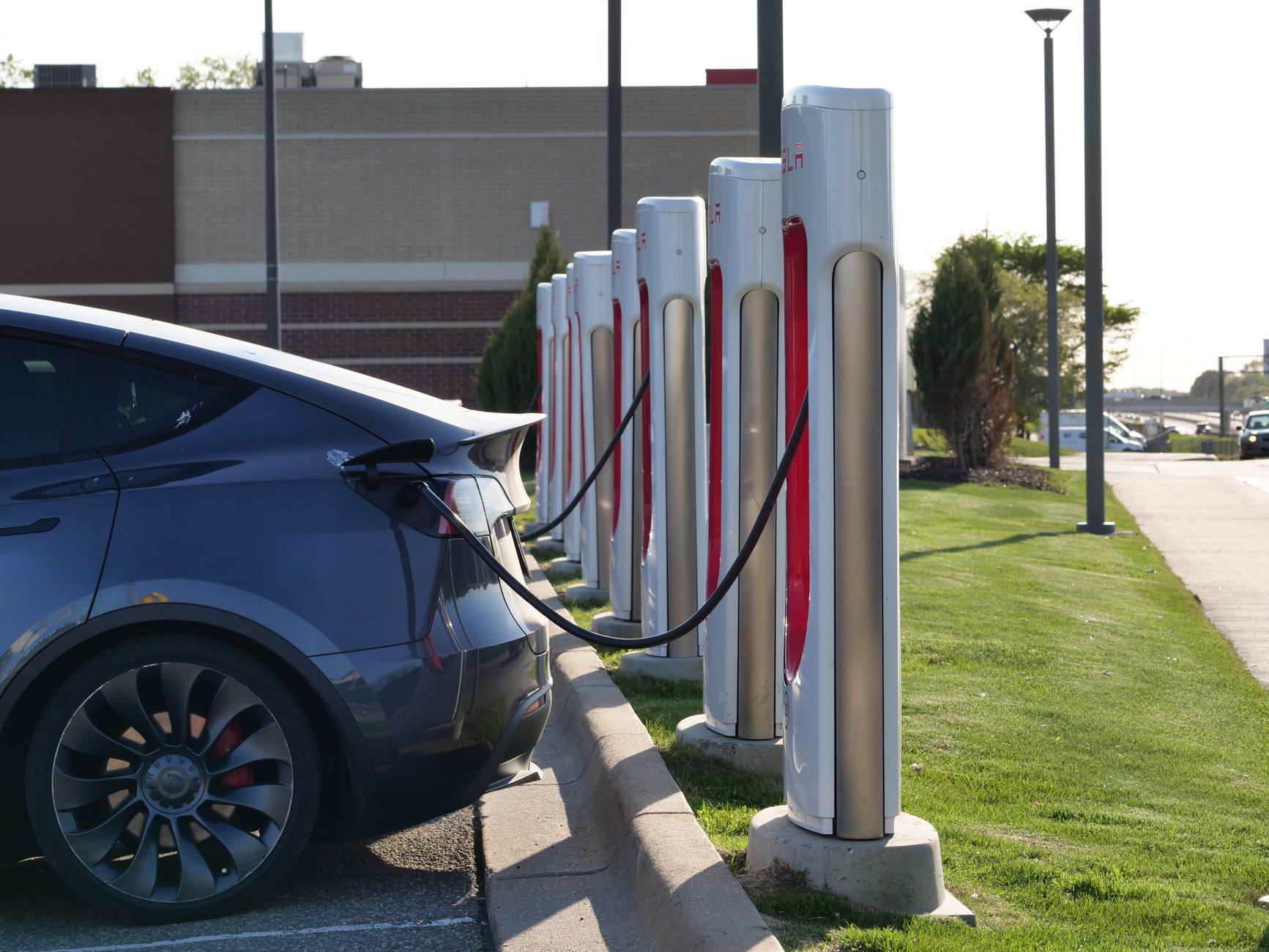
Photo by Giant Asparagus on Pexels