


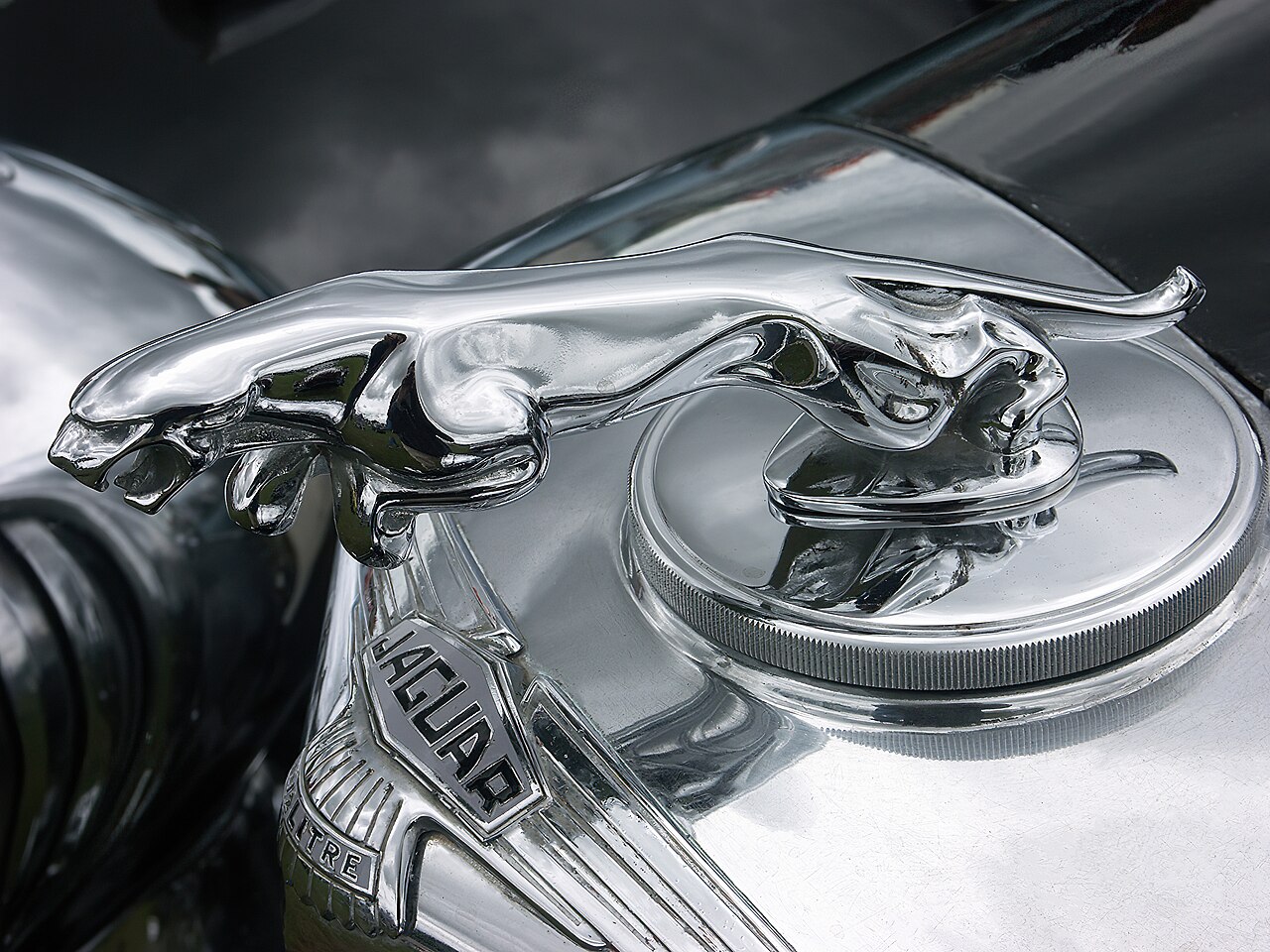
Jaguar EV rebrand has sparked significant backlash following the unveiling of their $130K electric vehicle. The controversy raises questions about brand direction and consumer perception.
Overview of Jaguar’s New EV
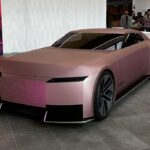
Jaguar has recently unveiled its latest electric vehicle (EV), marking a significant shift in its brand identity amidst the controversy surrounding its new direction. The Jaguar EV rebrand aims to position the luxury automaker as a leader in the electric vehicle market, targeting affluent consumers with an eye for sustainability. Priced at $130,000, the new model boasts cutting-edge technology and a sleek design, aiming to blend performance with eco-consciousness.
However, this rebranding effort has not come without challenges. Critics have labeled the move as a response to societal pressures, dubbing it a “woke” initiative that may alienate traditional Jaguar enthusiasts. The backlash has raised questions about whether the luxury brand can successfully transition to the EV space while maintaining its heritage.
Despite the criticism, Jaguar remains committed to its vision. Key features of the new EV include:
- Advanced battery technology for enhanced range and efficiency.
- Luxury interior using sustainable materials.
- Innovative driver-assistance systems for improved safety.
The outcome of this bold move remains to be seen, but the Jaguar EV rebrand is certainly stirring conversations across the automotive industry.
Details on the $130K Electric Vehicle
Jaguar’s latest electric vehicle (EV), priced at $130,000, is making waves in the automotive market amid the controversy surrounding its recent rebrand. The Jaguar EV rebrand aimed to align the brand more closely with sustainability and modern luxury, but critics have raised concerns about the implications of such a shift.
The new EV features an elegant design, advanced technology, and impressive performance metrics, making it a strong contender in the luxury electric vehicle segment. Key details include:
- Performance: The vehicle boasts a 0-60 mph acceleration time of under 4 seconds, showcasing Jaguar’s commitment to power and efficiency.
- Range: With a range of up to 300 miles on a single charge, it addresses one of the main concerns for potential EV buyers.
- Technology: Equipped with cutting-edge infotainment and driver-assistance systems, it provides both convenience and safety.
Despite the backlash from traditionalists who feel alienated by the brand’s new direction, the $130K electric vehicle represents Jaguar’s vision for the future. As the luxury market evolves, the response to the Jaguar EV rebrand will be critical in shaping its reputation and sales moving forward.
Consumer Reactions to the Rebrand
The recent Jaguar EV rebrand has sparked a wave of consumer reactions, with many expressing disappointment and skepticism. Fans of the iconic brand have taken to social media to voice their concerns about the shift towards electric vehicles and the perceived loss of traditional Jaguar values.
Some consumers feel that the rebrand prioritizes trends over heritage, leading to a backlash that questions the authenticity of the brand. A vocal segment of Jaguar enthusiasts has stated:
- Loss of Identity: Many believe that the new focus on electric vehicles dilutes the essence of what made Jaguar legendary.
- Price Concerns: The $130K price tag of the new EV has also provoked criticism, with some arguing that it is out of reach for average consumers.
- Brand Trust: The rebrand has raised questions about whether Jaguar can maintain its status in an increasingly competitive EV market.
Overall, while some support the Jaguar EV rebrand as a necessary evolution, the backlash highlights a divide among consumers regarding the future direction of the brand.
Impact of ‘Woke’ Branding on Sales
The recent Jaguar EV rebrand has sparked significant discussion regarding its impact on sales. As the luxury automaker shifts focus toward electric vehicles, the incorporation of what some critics term ‘woke’ branding has led to mixed reactions from consumers and industry experts alike.
Initial reports indicate that the rebrand has alienated a segment of Jaguar’s traditional customer base, who feel that the new messaging does not align with their values. This disconnect may be contributing to a decline in interest in the brand’s latest offerings, including the newly unveiled $130K electric vehicle.
In response to the marketing strategy, some consumers have expressed their dissatisfaction through social media, leading to a growing backlash. This has resulted in a notable dip in brand loyalty, which could have lasting effects on sales.
Analysts suggest that the Jaguar EV rebrand may need to recalibrate its approach to regain consumer trust and interest. They emphasize the importance of balancing progressive branding with the expectations of a diverse customer base, as failure to do so could hinder the brand’s transition into the electric future.
Comparison with Competitor EVs
As the automotive industry rapidly evolves, the Jaguar EV rebrand faces fierce competition from well-established electric vehicle (EV) manufacturers. Notably, brands like Tesla and Ford have dominated the market with their innovative technologies and extensive charging networks.
When comparing Jaguar’s latest $130K EV to leading rivals, several key factors emerge:
- Performance: Tesla’s Model S offers superior acceleration and range, often outpacing its competitors.
- Technology: Ford’s Mustang Mach-E boasts advanced driver-assistance features that appeal to tech-savvy consumers.
- Pricing: While Jaguar targets the luxury segment, competitors provide a spectrum of pricing options, making EVs more accessible to a broader audience.
- Brand Loyalty: Tesla enjoys a dedicated customer base, which poses a challenge for Jaguar as it attempts to rebrand and capture market share.
The backlash surrounding the Jaguar EV rebrand may hinder its ability to compete effectively against these established players. Consumers are increasingly prioritizing performance and value, raising questions about Jaguar’s positioning in the evolving EV landscape.
Future of Jaguar in the EV Market
The future of Jaguar in the EV market appears uncertain following the recent backlash against its rebranding efforts. As the company aims to redefine its identity with the launch of its new electric vehicle, the $130K Jaguar EV, consumer sentiment has been mixed. Many potential buyers are expressing concerns over the direction the brand is taking, particularly in light of the perceived ‘woke’ branding that has accompanied the rebrand.
Industry analysts suggest that the Jaguar EV rebrand may have alienated traditional customers while failing to attract a new demographic. The luxury electric vehicle segment is highly competitive, with brands like Tesla and Rivian setting high standards for both performance and consumer engagement.
Moving forward, Jaguar must reassess its marketing strategy to regain consumer trust. Some key actions the company could consider include:
- Reaffirming brand heritage: Emphasizing its rich history in automotive excellence.
- Targeted marketing: Engaging directly with loyal customers to understand their needs.
- Innovative design: Ensuring that new models resonate with both new and existing audiences.
The path ahead is fraught with challenges, but a thoughtful approach could help Jaguar thrive in the evolving EV landscape.
Expert Opinions on the Controversy
Experts in the automotive industry have weighed in on the controversy surrounding the Jaguar EV rebrand, highlighting a mix of concerns and potential opportunities for the luxury brand.
Dr. Lisa Reynolds, an automotive market analyst, stated, “The backlash against Jaguar’s rebranding strategy reflects a deeper resistance among traditional luxury consumers. Many feel alienated by what they perceive as ‘woke’ branding, which could impact their purchasing decisions.”
Similarly, Tomás Garcia, a brand strategist, noted that “while the Jaguar EV rebrand aims to attract a younger demographic, it risks alienating its core customer base, who may value the brand’s heritage over modern social themes.”
On the other hand, Emily Chen, an EV technology expert, believes the controversy may ultimately benefit Jaguar. She explained, “This backlash could spark a larger conversation about sustainability and inclusivity in the automotive industry, potentially positioning Jaguar as a thought leader in the EV market.”
As the brand navigates the fallout from its rebranding efforts, the long-term impact on consumer loyalty and sales remains to be seen.
via Wikimedia Commons
Sources
Related reading
Triumph Bonneville T40: The Best New 400cc Bike Unveiled · Jaguar Type 01 review: Is this the best £120k EV? · Skoda Slavia facelift: The Best Review of 2026 Model